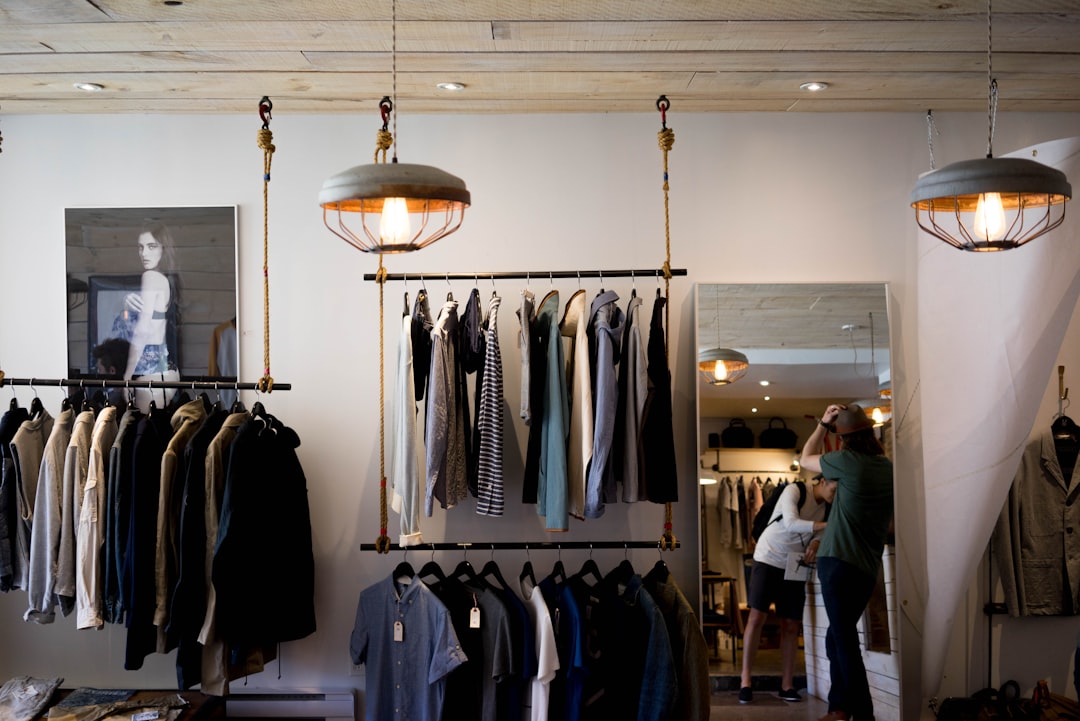
Copenhagen’s streets are known for their cyclists, colourful buildings, and a distinct sense of minimalist style. This aesthetic, often called “Scandi cool,” isn’t just about purchasing new, high-end designer goods. It’s deeply rooted in a culture of sustainability, quality, and individuality. For the fashion-conscious traveller, this opens up a world of second-hand shopping that is less about rummaging through dusty bins and more like a curated journey through the city’s sartorial past and present. Thrifting here is not just an activity; it’s an insight into the Danish way of life.
The city’s relationship with pre-loved items is a practical one. Danes often invest in high-quality, durable pieces designed to last for years, not just a single season. When they do decide to part with these items, the second-hand market becomes a repository of well-made clothing. This means your search for a bargain can often lead you to a beautifully constructed wool coat or a pair of leather boots with years of life left in them. Engaging with this market is like being let in on a local secret, a way to build a unique wardrobe while participating in a circular economy that the city genuinely values.
Before you begin your hunt, it’s helpful to understand what makes Copenhagen’s thrifting culture unique. It’s a blend of environmental consciousness and a deep appreciation for design, creating a fertile ground for finding exceptional pieces. The city is a treasure chest, but to find the gold, you need to understand the map.
A Culture of Quality and Sustainability
Sustainability is not just a buzzword in Denmark; it’s woven into the fabric of daily life. This philosophy extends directly to fashion. The prevalence of “genbrug” (a Danish word meaning “re-use”) is a testament to this.
This mindset means that donating or selling clothes is a common practice, keeping a constant flow of good-quality items circulating in the market. Unlike the fast-fashion graveyards you might find elsewhere, Copenhagen’s second-hand shops are often filled with clothing that was made to endure. You are not just buying someone’s cast-offs; you are inheriting a piece with a history, ready for a new chapter.
The Intersection of Style and Simplicity
The famous Scandinavian aesthetic is built on a foundation of minimalism, functionality, and timelessness. This is reflected in the second-hand offerings. While you can certainly find quirky and eccentric vintage pieces, the dominant style is one of understated elegance. Think clean lines, neutral colour palettes, and natural materials like wool, linen, and leather. Thrifting in Copenhagen gives you direct access to these wardrobe-building blocks. You can find the perfect oversized blazer, a simple but elegant silk blouse, or a pair of perfectly worn-in jeans that form the backbone of a versatile and stylish wardrobe. It’s an opportunity to acquire the essence of Danish style without the designer price tag.
Navigating the Different Types of Second-Hand Stores
Copenhagen’s second-hand landscape is varied. Knowing the different kinds of stores will help you tailor your search. Each type offers a distinct experience, from chaotic bargain hunting to browsing a carefully curated collection.
Charity Shops (Genbrugsbutikker)
These are the most common type of second-hand store and are run by non-profit organizations. Familiar names you will see across the city include Røde Kors (The Red Cross), Kirkens Korshær (The Church’s Army), and Folkekirkens Nødhjælp (DanChurchAid).
These shops are the equivalent of charity or thrift stores in other countries. The inventory is entirely donation-based, which means the selection can be unpredictable. You might have to sift through a lot of ordinary items to find a gem, but the prices are typically the lowest you will find. This is where patience pays off. A visit to a charity shop is a true rummage, a dig through the city’s collective closet where a forgotten designer piece might be hiding next to a generic t-shirt. For the dedicated thrifter, these stores offer the biggest thrill of the chase.
Curated Vintage and Second-Hand Boutiques
At the other end of the spectrum are the curated boutiques. These shops have done the hard work for you. The owners and staff have a keen eye for style and hand-pick every item in the store. You will find a much higher concentration of desirable brands, unique vintage pieces, and on-trend items. Places like Episode, Prag, and Wasteland are popular examples, often buying used clothing by the kilogram and presenting it in a more organized, retail-like environment. Other, smaller boutiques might focus on a specific era, like 70s rock-and-roll or 50s glamour. The prices here are higher than in charity shops, but you are paying for the convenience and the expert curation. It’s less of a hunt and more like walking into a stylist’s personal collection.
Commission-Based Shops (Kommissionsbutikker)
A popular model in Copenhagen, commission shops occupy a middle ground. Here, individuals bring in their high-quality, often designer, clothing for the shop to sell on their behalf. The original owner receives a percentage of the sale price. This model ensures a steady stream of contemporary, high-end labels. If you are looking for more recent pieces from Danish designers like Ganni, Stine Goya, or By Malene Birger, or international luxury brands, these are the stores to visit. The condition of the items is almost always excellent, as shops will only accept clothing that is in near-perfect shape. It’s the ideal way to access luxury fashion at a significant discount.
Where to Go: Key Thrifting Neighborhoods
While you can find second-hand shops all over Copenhagen, certain neighbourhoods have a higher concentration and a specific character. Focusing your efforts on these areas will make your thrifting expedition more efficient and enjoyable.
Nørrebro: The Epicenter of Cool
If you only have time for one neighbourhood, make it Nørrebro. This diverse, vibrant, and multicultural district is widely considered the heart of Copenhagen’s second-hand scene. The main thoroughfare, Nørrebrogade, and its many side streets are lined with a dense mix of all types of thrift stores.
You can spend an entire day here, hopping from a large Røde Kors superstore to a tiny, curated vintage boutique. Streets like Elmegade and Jægersborggade offer a more boutique experience, while the area around Stefansgade has a relaxed, local feel. Nørrebro is where you will find the full spectrum of second-hand shopping, reflecting the neighbourhood’s own eclectic energy.
Vesterbro: Edgy and Eclectic
Once a gritty, working-class area, Vesterbro has transformed into one of Copenhagen’s hippest districts, known for its cool bars, independent shops, and edgy vibe.
The thrifting scene here reflects that history. Along Vesterbrogade and Istedgade, you will find a fantastic selection of vintage stores with a slightly more rock-and-roll or alternative feel. There are also numerous charity shops and a few high-end commission stores mixed in.
Thrifting in Vesterbro feels a little more raw and less polished than in other areas, making it a great place to hunt for unique statement pieces like leather jackets, band t-shirts, and distinctive denim.
Indre By (Inner City): Hidden Gems and High-End Finds
Copenhagen’s city centre, or Indre By, is where you’ll find the main shopping streets and tourist attractions. While it might seem dominated by big international brands, the “Latin Quarter” and the maze of smaller side streets hold some of the city’s best-kept secrets. The thrifting here tends to be more specialized and upscale.
This is where you are most likely to find pristine, high-end vintage from designer labels of decades past. Shops like Time’s Up Vintage offer museum-quality pieces for serious collectors. While you will pay a premium, the quality and rarity of the items are unmatched.
It requires a bit more exploration to find these hidden spots, but the reward is worth it.
Frederiksberg: Upscale and Understated
Frederiksberg is a separate municipality landlocked within Copenhagen, known for its beautiful parks, grand apartment buildings, and more affluent, residential atmosphere. This translates to its charity shops. The genbrugsbutikker in Frederiksberg are often treasure troves of high-quality donations.
Because the local residents tend to purchase premium goods, the items they donate are often from better brands and made with superior materials. A visit to the charity shops along Gammel Kongevej can yield cashmere sweaters, designer homewares, and classic trench coats for a fraction of their original cost. The shopping experience is calmer and more relaxed, making it a pleasant alternative to the busier districts.
What to Look For: Signature Danish Finds
| Category | Signature Danish Finds |
|---|---|
| Food | Smørrebrød (open-faced sandwiches) |
| Drink | Aquavit (a traditional spirit) |
| Design | Danish furniture (e.g. Hans J. Wegner chairs) |
| Art | Danish ceramics (e.g. Royal Copenhagen) |
When you’re sifting through the racks, it helps to have a few key items in mind. These are the pieces that are emblematic of Danish style and are often found in excellent condition on the second-hand market.
Minimalist Outerwear
Copenhagen’s weather demands good outerwear, and Danes invest accordingly. Be on the lookout for classic trench coats, well-structured wool blazers, and long, elegant wool coats. These are staples of the local wardrobe, and you can find beautifully made examples from both Scandinavian and international brands.
Quality Knitwear
Scandinavians understand the value of a good sweater. The second-hand shops are full of high-quality knitwear made from natural fibres like wool, merino, and cashmere. Forget itchy acrylics; here you can find sweaters that are warm, breathable, and built to last. Look for classic crewnecks, turtlenecks, and cardigans in neutral tones. These are versatile pieces you will wear for years.
Danish Designer Pieces
For those with a bit more to spend, hunting for second-hand Danish designer clothing is a rewarding challenge. In commission shops and curated boutiques, you can find items from beloved local brands. These brands are known for their modern, wearable designs, and finding one second-hand is a great way to own a piece of contemporary Danish fashion. Look for the playful prints of Stine Goya, the sophisticated silhouettes of By Malene Birger, or the cool, contemporary feel of Ganni.
Practical Tips for a Successful Thrifting Trip
To make the most of your time and energy, a little preparation goes a long way. Approaching your thrifting day with a plan will help you navigate the city and its shops like a local.
Timing is Everything
Like any shopping, thrifting is best done on a weekday morning or early afternoon. The shops will be quieter, the staff will have more time to assist you, and you can browse without feeling rushed by weekend crowds. Many stores restock throughout the week, so there’s no single “best” day, but avoiding Saturday afternoon is a good rule of thumb.
Come Prepared
Thrifting is a marathon, not a sprint. Wear comfortable shoes, as you will be doing a lot of walking. It’s also wise to wear a simple base layer, like a t-shirt and leggings or jeans, that you can easily try clothes on over. Not all shops, especially smaller charity shops, have spacious or numerous fitting rooms. Finally, bring your own reusable tote bag. It’s sustainable and practical for carrying your finds, and many stores in Denmark charge for plastic bags.
Cash and Payment Methods
While credit and debit cards (especially Visa and Mastercard) are widely accepted in most curated and commission shops, some smaller charity shops or flea markets may have a preference for cash or MobilePay, a Danish mobile payment app. As a tourist, you won’t be able to use MobilePay, so it’s a good idea to have a small amount of Danish kroner on hand, just in case you find a must-have item in a cash-only situation.
Look Beyond the Label
The true art of thrifting is in assessing quality, not just hunting for brand names. Before you buy, inspect the item carefully. Check the seams for strength, look for any stains or holes, and test the zippers and buttons. Most importantly, feel the fabric. A well-made garment from an unknown brand made of 100% wool is a far better purchase than a worn-out polyester piece from a famous designer. Let the quality of the construction and the material be your guide. In doing so, you will leave Copenhagen not just with souvenirs, but with enduring pieces that truly represent the city’s commitment to style and substance.
If you’re interested in exploring more about vintage clothing in Copenhagen, you should check out this article on where to find affordable vintage clothes in Copenhagen. This article provides great insights into the best places to shop for second-hand clothing in the city. It’s a helpful resource for anyone looking to add unique pieces to their wardrobe while staying within budget.
FAQs
What is second hand clothing?
Second hand clothing refers to clothing that has been previously owned and worn by someone else. It is often sold or donated to second hand stores or thrift shops.
Why is second hand clothing popular in Copenhagen?
Second hand clothing is popular in Copenhagen due to its sustainable and eco-friendly nature. Many people in Copenhagen are conscious of the environmental impact of fast fashion and choose to buy second hand clothing as a more sustainable option.
Where can I find second hand clothing in Copenhagen?
There are numerous second hand stores and thrift shops in Copenhagen where you can find a wide variety of second hand clothing. Additionally, there are also flea markets and online platforms where you can buy and sell second hand clothing.
Is second hand clothing affordable in Copenhagen?
Yes, second hand clothing is often more affordable than buying brand new clothing in Copenhagen. You can find high quality and stylish second hand clothing at a fraction of the price of new clothing.
What are the benefits of buying second hand clothing in Copenhagen?
Buying second hand clothing in Copenhagen helps reduce the environmental impact of the fashion industry by giving clothing a second life. It also allows you to find unique and one-of-a-kind pieces that you may not find in traditional retail stores.