
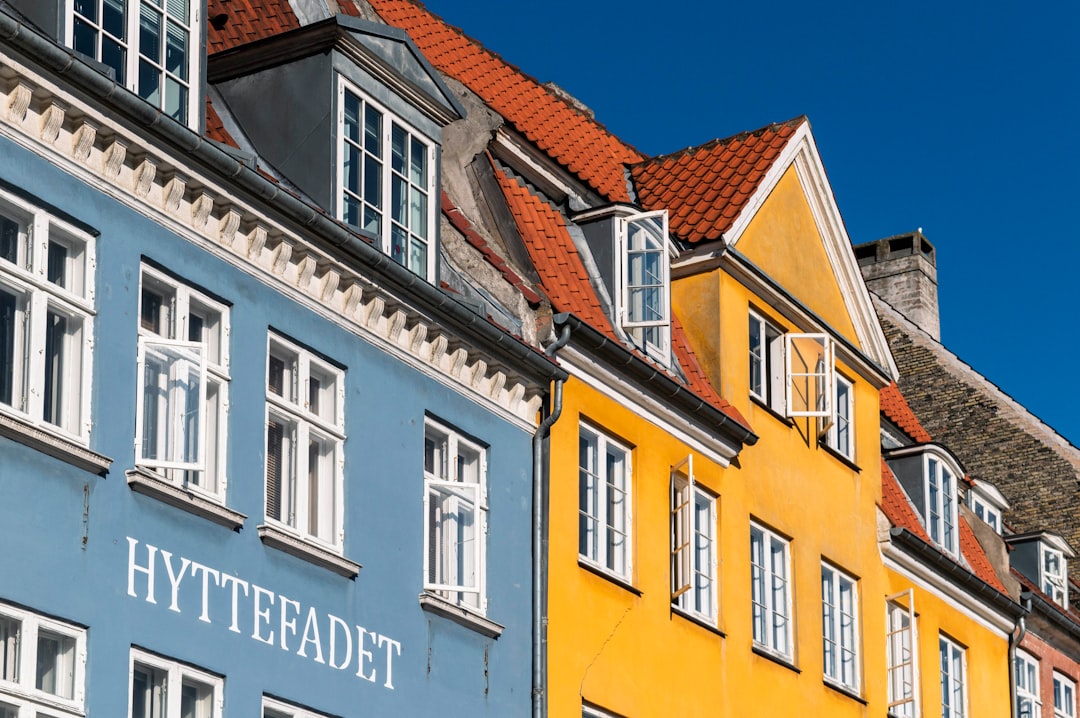
Copenhagen is a city that wears its history with a quiet confidence. Unlike cities that shout their past from grand monuments, Copenhagen whispers it in the clean lines of a mid-century chair, the worn cobblestones of a hidden courtyard, and the warm glow of a vintage lamp.
It is a lesson in appreciating items built to last, a discovery of design that prioritizes function and beauty in equal measure, and an invitation to slow down and find joy in the details. This is not a frantic treasure hunt, but a thoughtful exploration, a way of connecting with the city’s soul, one beautifully crafted object at a time.
As you wander through its streets, you’ll find that the past is not sealed away in a museum. Instead, it’s a living, breathing part of the present. Vintage items are not relics; they are cherished parts of everyday life, seamlessly integrated into modern homes and styles. This guide will help you navigate the alleys and avenues of this timeless city, showing you where to find the pieces that tell a story and how to appreciate the philosophy behind them.
Copenhagen’s character is best understood through its distinct neighborhoods, each offering a different flavor of vintage and second-hand discovery.
Your journey is a thread, and these neighborhoods are the unique beads you will string along the way.
H3: Nørrebro: The Eclectic Heartbeat
If you are looking for vintage with an edge, Nørrebro is your starting point. This diverse, multicultural district is the city’s creative and bohemian hub. Its main arteries and side streets are lined with an array of second-hand shops, known in Danish as genbrugsbutikker.
The atmosphere here is less about perfectly curated, high-end showrooms and more about the joy of the rummage. Streets like Jægersborggade offer a mix of independent boutiques, organic cafes, and small vintage dens where you might find anything from 1970s leather jackets to quirky homewares. The real star of Nørrebro for antique lovers, however, is Ravnsborggade. This street acts as a kind of open-air treasure chest, particularly famous for its concentration of antique dealers specializing in furniture, silver, and curiosities. On certain days, the street transforms into a bustling market, with shopkeepers displaying their wares on the pavement. It’s a place to browse, to haggle, and to find something truly unexpected.
H3: Vesterbro: Curated Cool and Industrial Past
Vesterbro has undergone a significant transformation. Once a rough, working-class district, it is now one of Copenhagen’s trendiest areas, but it retains a raw, industrial charm. The vintage scene here reflects this evolution. It is generally more curated and style-conscious than in Nørrebro.
Along Vesterbrogade and Istedgade, you will discover shops that specialize in high-quality, hand-picked vintage clothing. These are not jumble sales; they are boutiques where every item has been chosen for its style, quality, and relevance to contemporary fashion. You can find classic Scandinavian knitwear, well-preserved denim, and designer pieces from past decades. The area’s former meatpacking district, Kødbyen, while now known for its restaurants and art galleries, contributes to the neighborhood’s aesthetic and provides a striking backdrop for your vintage explorations.
H3: Indre By and the Latin Quarter: Classic and Established
The inner city, or Indre By, is home to some of Copenhagen’s oldest and most established antique shops. Tucked away in the charming, narrow streets of the Latin Quarter, near the university, you will find stores that have been dealing in fine antiques for generations. These shops are often quieter and more formal, specializing in items like Royal Copenhagen porcelain, antique jewelry, maritime artifacts, and old books and prints.
Exploring this area feels like stepping back in time. The storefronts themselves are often historic, and the interiors are packed with objects that carry significant history. This is where you might find a piece of silverware from the 19th century or a first-edition book by a Danish author. The pace is slower here, inviting you to have conversations with the knowledgeable shop owners who are often historians in their own right.
Beyond the Wardrobe: The Cult of Danish Design
While vintage fashion is plentiful, Copenhagen’s most significant contribution to the world of timeless objects is its mid-century modern design. Between the 1940s and 1960s, a generation of Danish architects and designers created furniture and household items that redefined modern living. Their philosophy was simple: to create functional, comfortable, and beautiful things for everyone. Today, these pieces are more sought-after than ever, and Copenhagen is the best place in the world to find them in their original state.
H3: Furniture: The Icons of Teak and Oak
Danish mid-century furniture is characterized by its use of natural materials, particularly teak, oak, and rosewood. The designs emphasize clean lines, organic curves, and expert craftsmanship. When you visit a vintage furniture store in Copenhagen, you are not just shopping; you are walking through a gallery of design history.
Look for the work of masters like Hans J. Wegner, who designed over 500 chairs in his lifetime, including the iconic “Wishbone Chair.” His pieces are studies in woodworking and ergonomics. You will also encounter the creations of Arne Jacobsen, whose “Egg” and “Swan” chairs were revolutionary for their sculptural forms. Another key figure is Finn Juhl, whose furniture often has a more expressive, artistic quality. Shops specializing in these items can be found throughout the city, but Ravnsborggade in Nørrebro and various showrooms in Bredgade in the city center are particularly good places to look.
H3: Lighting: More Than Just a Lamp
In a country with long, dark winters, lighting is not an afterthought; it is an essential element of home life. This is why Danish lamp design is so innovative. The most famous name in this field is Poul Henningsen, whose “PH” lamps are a staple in Danish homes. He developed a system of layered shades designed to cast a warm, glare-free light, creating a comfortable and inviting atmosphere. Finding an original vintage PH lamp is a true vintage coup. Other designers like Verner Panton brought a playful, futuristic pop of color to lighting design, and his “Flowerpot” and “Panthella” lamps are highly collectible.
H3: Ceramics and Glassware: The Art of the Table
The Danish appreciation for design extends to the smallest objects in the home. Vintage ceramics and glassware are a wonderful way to bring a piece of this aesthetic back with you. Look for ceramics from brands like Royal Copenhagen, particularly their older, discontinued patterns, or the more rustic, earthy stoneware from smaller studios. For glassware, Holmegaard is the preeminent name. Their mid-century designs, from shapely vases to elegant drinking glasses, are examples of minimalist beauty. These items are often found in antique shops and flea markets, offering a more accessible entry point into the world of Danish design.
The Thrill of the Hunt: Copenhagen’s Flea Markets
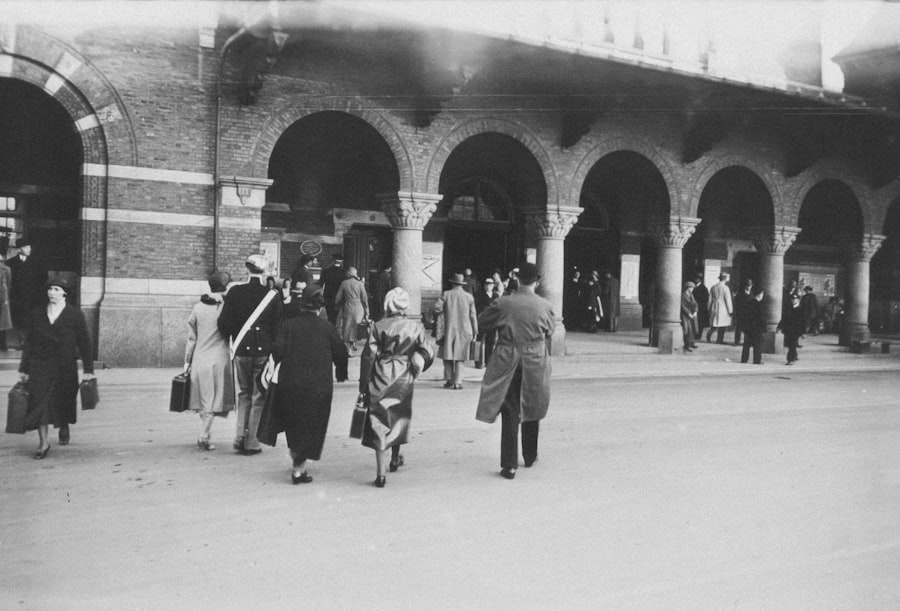
For a less formal and often more rewarding vintage experience, you must visit a Danish loppemarked, or flea market. These are not just places to buy things; they are social events where locals come to browse, chat, and enjoy a day out. The atmosphere is relaxed and friendly, and you never know what you might find.
H3: Thorvaldsens Plads Antique Market
Located in a beautiful spot by the canal, right next to the Thorvaldsens Museum, this market is one of the city’s most established.
It runs on Fridays and Saturdays through the warmer months. Given its prime location, the items here tend to be of a higher quality than at a typical flea market. You can expect to find professional dealers selling antique silver, high-end porcelain, vintage Danish jewelry, and small pieces of furniture.
It is a wonderful place to browse, even if you are not planning to buy, as the setting itself is picturesque.
H3: Frederiksberg Loppemarked
For a larger, more traditional flea market experience, head to the market held behind Frederiksberg City Hall on Saturdays. This is a huge affair where hundreds of private citizens clear out their attics and cellars. The variety is immense. You can sift through boxes of old records, racks of clothing from every decade, children’s toys, kitchenware, and random curios. It requires more patience and a keen eye, but the potential for a great bargain is high.
It is a true reflection of everyday Danish life, past and present.
A Taste of the Past: Eating and Drinking in Historic Settings
| Year | Number of Participants | Number of Historic Settings | Number of Food and Drink Exhibits |
|---|---|---|---|
| 2018 | 500 | 15 | 20 |
| 2019 | 700 | 20 | 25 |
| 2020 | 400 | 12 | 18 |
Your timeless journey through Copenhagen is not complete without experiencing the city’s historic food and drink establishments. These places serve as living museums, where the atmosphere is as much a part of the experience as what is on the menu.
H3: The Classic Conditori
A Danish conditori is a traditional pastry shop and cafe, and Copenhagen has some of the finest. The most famous is La Glace, founded in 1870. Stepping inside is like entering another era, with its original mahogany counters, mirrored walls, and formal service. Indulging in one of their legendary cakes, like the Sportskage, is a quintessential Copenhagen experience. These cafes are institutions that have resisted the pull of modernity, offering a sweet taste of history.
H3: The Brown Bodegas
At the other end of the spectrum are the city’s “brown bodegas” (brune værtshuse). These are old, no-frills pubs, characterized by their dark wood paneling, dim lighting, and historically smoke-filled air (though smoking is now restricted). They are cherished local hangouts where you can enjoy a simple beer and perhaps a shot of snaps. Places like Hviids Vinstue, which dates back to 1723, or Bo-Bi Bar, a long-time haunt for writers and artists, have changed very little over the decades. They offer an unvarnished glimpse into the city’s social history and provide a perfect, unpretentious end to a day of vintage exploration.
Practical Advice for Your Journey
To make the most of your vintage exploration in Copenhagen, a little preparation goes a long way. The city is easy to navigate, and its residents are generally helpful, but knowing a few things in advance will make your experience smoother and more enjoyable.
H3: Navigating the City and Payments
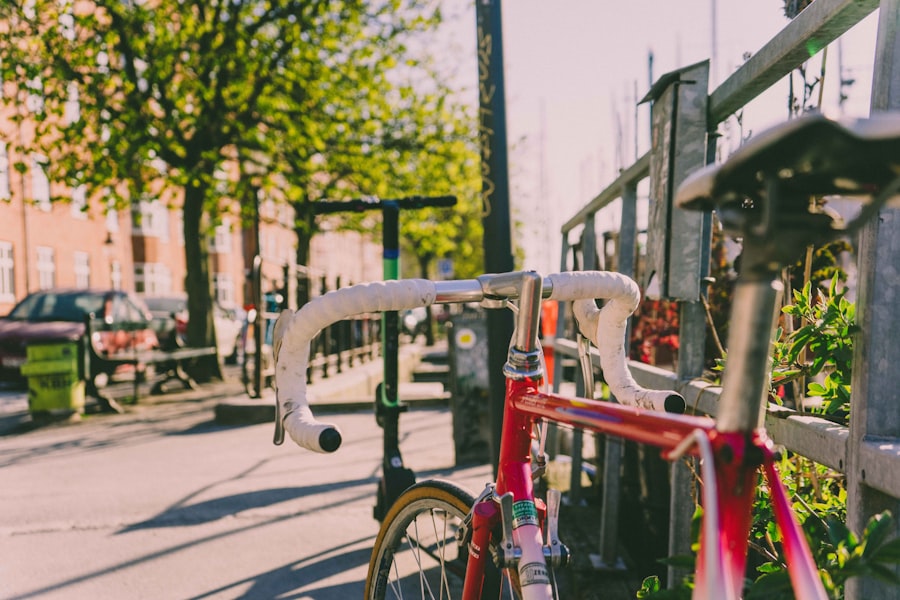
The best way to explore Copenhagen’s neighborhoods is on foot or, even better, by bicycle. The city is famously bike-friendly, with dedicated lanes that will take you everywhere you need to go. For longer distances, the public transport system, including the S-trains and Metro, is efficient and reliable. Most shops and markets, even smaller ones, accept credit cards, but it is always wise to have some Danish kroner on hand, especially for flea markets where cash might be preferred.
H3: Understanding Quality and Price
Danish vintage, particularly iconic design pieces, is not always cheap. You are paying for quality, craftsmanship, and history. Think of it as an investment. When buying furniture or high-end items, check for a maker’s mark or label to verify authenticity. Don’t be afraid to gently inspect items for damage. While some wear and tear is part of an object’s story, you should be aware of what you are buying. In smaller shops and flea markets, polite bargaining might be acceptable, but it is not a common practice in more established antique stores.
H3: Embracing the Spirit of the Search
Finally, the most important piece of advice is to embrace the Danish approach. The search for vintage treasures in Copenhagen should not be a race. It is a chance to slow down and practice a form of hygge—that famous Danish concept of coziness, contentment, and appreciating the moment. Take time to have a coffee between shop visits. Talk to the owners. Enjoy the unique atmosphere of each neighborhood. Your journey through vintage Copenhagen is about the discoveries you make along the way, not just the items you bring home. It is a quiet, rewarding dialogue with a city that has mastered the art of living well with its own past.
If you’re looking for affordable vintage clothes in Copenhagen, you should check out this article for some great tips. It highlights the best vintage shops in the city for tourists, so you can find unique pieces to add to your wardrobe. And if you’re planning a visit to Vintage Copenhagen, be sure to read about the top 10 things to do nearby to make the most of your trip.
FAQs
What is vintage Copenhagen?
Vintage Copenhagen refers to items, clothing, or furniture that are from the past and are associated with the city of Copenhagen, Denmark. These items are often considered to be of high quality and have a timeless appeal.
What are some examples of vintage Copenhagen items?
Examples of vintage Copenhagen items include mid-century modern furniture, Danish pottery and ceramics, vintage clothing and accessories, retro home decor, and antique Danish design pieces.
Where can I find vintage Copenhagen items?
Vintage Copenhagen items can be found in antique shops, flea markets, vintage stores, and online marketplaces. Copenhagen itself is known for its many vintage and second-hand shops, making it a great place to find unique and authentic vintage items.
What are the characteristics of vintage Copenhagen design?
Vintage Copenhagen design is known for its clean lines, minimalist aesthetic, and focus on functionality. Danish design from the mid-20th century, in particular, is highly regarded for its craftsmanship and timeless appeal.
Is vintage Copenhagen popular among collectors and enthusiasts?
Yes, vintage Copenhagen items are highly sought after by collectors and enthusiasts around the world. Danish design from the mid-century period, in particular, has a dedicated following and is considered to be a significant part of design history.