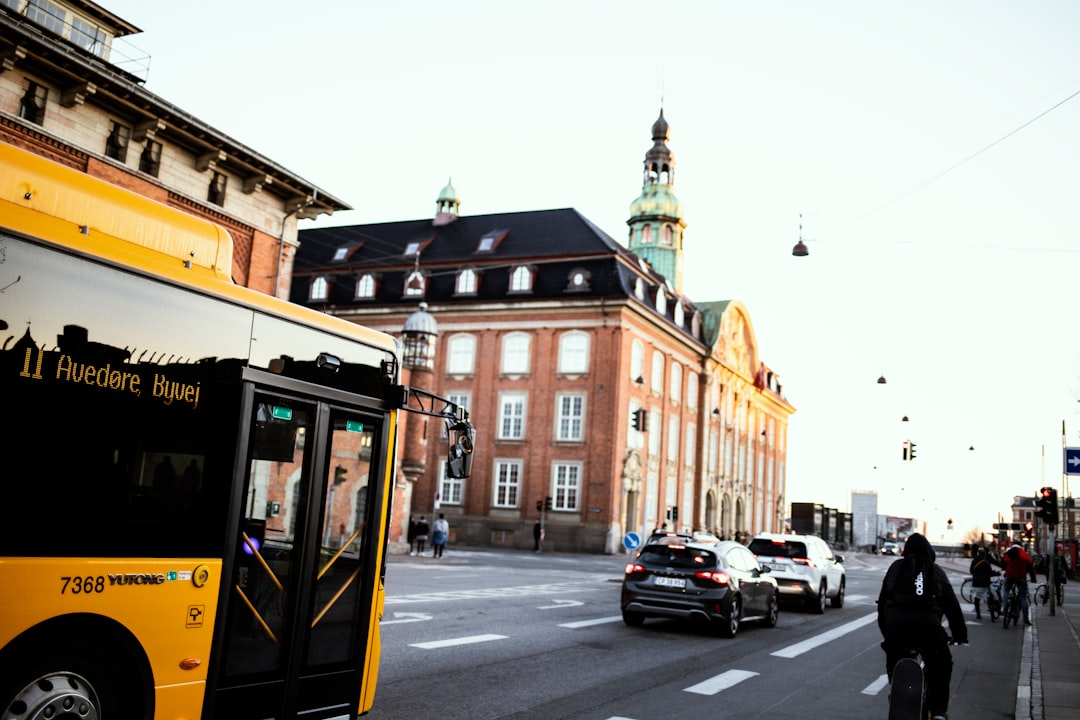
Copenhagen is a city that wears its values on its sleeve. Known globally for its design heritage, cycling culture, and commitment to sustainability, it offers a way of life that feels both forward-thinking and deeply rooted in common sense. A significant part of this identity is the city’s relationship with pre-loved goods. Shopping second-hand here is not merely a budget-friendly alternative; it is a mainstream activity, a conscious choice, and a direct line into the heart of Danish culture.
For the visitor, this landscape can be a thrilling maze of possibilities. It’s a chance to find unique pieces of Scandinavian design, high-quality clothing, and homewares that tell a story. This guide is designed to be your compass, helping you navigate the city’s thriving second-hand scene. It’s about more than just finding a bargain; it’s about understanding a philosophy and returning home with not only a souvenir, but a new perspective on the things we own. Forget the frantic pace of fast fashion; here, you are invited to slow down, to look closer, and to discover the beauty in things that have lived a life before.
Before you step into your first shop, it helps to understand the mindset that fuels this city’s love for the pre-owned. It’s a cultural foundation that makes the shopping experience here distinct from a simple thrift store crawl in other parts of the world. The Danish approach is woven from threads of pragmatism, a respect for quality, and an ingrained sense of social and environmental responsibility.
More Than Just Savings: The ‘Genbrug’ Culture
You will see the word genbrug everywhere, from municipal waste bins to chic storefronts. It translates directly to “reuse,” but its meaning runs much deeper. Genbrug is an active, positive concept. It isn’t about settling for something old; it’s about cleverly extending the life of something valuable. This idea is taught from a young age. Danes are practical people, and the logic of genbrug is simple: if an item is well-made and still functional, it is wasteful to discard it. This creates a powerful supply chain of high-quality goods flowing back into the market, making second-hand shopping a hunt for genuine treasures rather than a rummage through leftovers.
Quality Over Quantity
Danish and Scandinavian design, in general, is built on the principles of longevity. Furniture is made from solid wood, clothing from durable natural fibres like wool and cotton, and homewares from sturdy porcelain and glass. This inherent quality means that items hold their value and appeal for decades. When you shop second-hand in Copenhagen, you are often tapping into this legacy. You are not just buying a used sweater; you might be buying a Norwegian wool jumper that was designed to withstand harsh winters and has another twenty years of life left in it. This focus on craftsmanship turns the act of second-hand shopping into an investment in durability.
A Circular Approach to Style
Imagine personal style not as a constantly replaced disposable cup, but as a sturdy, well-loved ceramic mug that you use day after day, its character deepening with each use. This is the essence of Copenhagen’s circular approach. Style here is less about fleeting trends and more about building a personal collection of items that last. People buy, use, care for, and then resell their belongings, allowing them to flow back into the community. By participating in this system, you become a temporary guardian of an object, enjoying it before passing it on for someone else to discover. This circular flow keeps resources in use and reduces the city’s collective footprint in a tangible, everyday way.
Navigating the Different Types of Second-Hand Stores
Copenhagen’s second-hand scene is not a monolith. It’s a diverse ecosystem of different store types, each offering a unique experience and catering to different tastes and budgets. Knowing what to expect from each can help you tailor your search and make the most of your time.
The Curated Boutique: ‘Luksusgenbrug’
The term luksusgenbrug means “luxury reuse,” and these shops are the high-end galleries of the second-hand world. Stepping into one feels less like a thrift store and more like a designer boutique. The items are carefully selected, cleaned, and beautifully displayed. Here, you will find Scandinavian and international designer brands like Ganni, Acne Studios, Isabel Marant, and Céline at a fraction of their original retail price. The focus is on contemporary fashion and timeless luxury pieces. While the prices are higher than in other second-hand shops, the quality is guaranteed, and the experience is relaxed and refined. These are the places to go if you are looking for a specific investment piece.
The Classic Charity Shop: ‘Genbrugsbutik’
The backbone of the Danish second-hand market is the traditional charity shop, or genbrugsbutik. Major organizations like Røde Kors (The Red Cross), Danmission, and Folkekirkens Nødhjælp run hundreds of these shops across the country, all staffed by volunteers. The proceeds go directly to charitable causes. These stores are a true mixed bag, offering everything from clothing and accessories to books, vinyl records, kitchenware, and small furniture. The pricing is typically very low, and the thrill is in the hunt. You might have to sift through racks of ordinary items to find a gem, but the potential rewards are great—perhaps a piece of Royal Copenhagen porcelain for a few kroner or a vintage wool coat in perfect condition.
The Commission-Based Store: ‘Kommissionssalg’
A popular model in Copenhagen is the commission shop, or kommissionssalg. Here, individuals bring their own pre-loved clothing and accessories to be sold in the store. The shop owner takes a commission (usually 40-50%) on each sale. This model creates a highly dynamic and current inventory. Because sellers are motivated to bring in desirable items, these shops are often filled with recent, on-trend pieces from both high-street and mid-range designer brands. It’s a fantastic middle ground between the treasure hunt of a charity shop and the high prices of a luxury boutique. Many of these stores have a specific aesthetic, so you can often find one that perfectly matches your personal style.
The Flea Market: ‘Loppemarked’
In the warmer months, from roughly April to October, Copenhagen’s squares and parks come alive with flea markets, or loppemarkeder. These are community-driven events where locals rent stalls to sell their own household goods, clothing, children’s toys, and handmade crafts. The atmosphere is social and vibrant, offering a wonderful glimpse into local life. While some markets are more professional, many are simply people clearing out their attics and basements. This is where you can find truly unexpected items and often at the best prices, as sellers are keen to offload their goods. Don’t expect much haggling—prices are generally fair, but a polite offer is sometimes accepted.
Key Neighborhoods for Your Thrifting Adventure
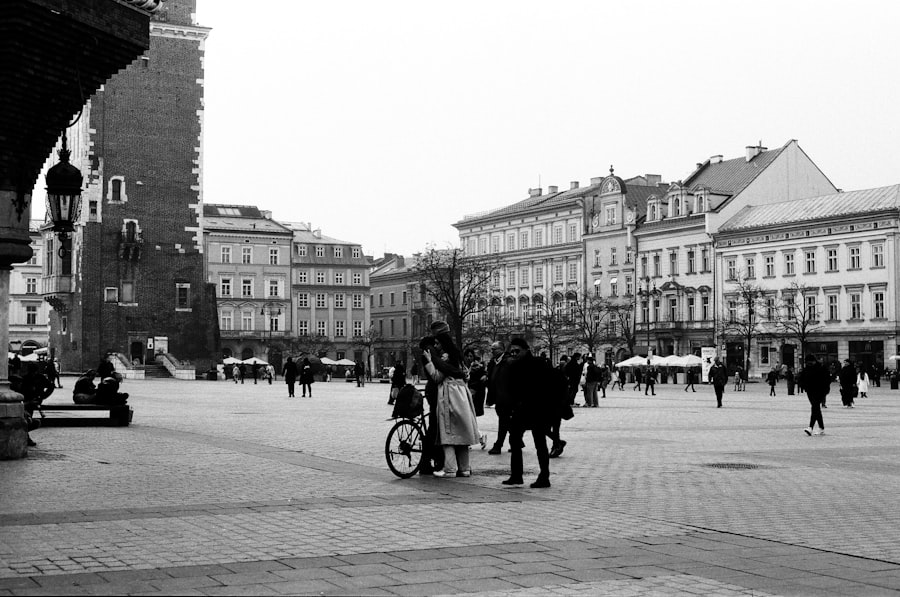
While you can find second-hand shops all over Copenhagen, certain neighborhoods have become veritable hubs, each with its own distinct flavour. Focusing your efforts on one or two of these areas can make for a more efficient and enjoyable day of exploring.
Nørrebro: The Epicenter of Cool and Casual
Nørrebro is Copenhagen’s multicultural and creative heart. The main thoroughfare, Nørrebrogade, and its many side streets are packed with a high concentration of second-hand shops.
The vibe here is young, trendy, and unpretentious.
Streets like Jægersborggade and Ravnsborggade are particularly rewarding. Ravnsborggade is famous for its antique and design shops, with several flea markets held throughout the year, making it a great destination for furniture and homewares.
Vesterbro: Edgy, Refined, and Full of Surprises
Once a gritty, working-class district, Vesterbro has transformed into one of the city’s most fashionable areas, while still retaining some of its edge. Its main shopping streets, Istedgade and Vesterbrogade, offer a slightly more curated and design-focused second-hand experience than Nørrebro.
Here, you’ll find stylish commission boutiques nestled between independent coffee shops and design studios. There is also a good selection of high-end vintage stores and a few classic charity shops. Vesterbro’s offerings often feel a bit more grown-up and polished, reflecting the neighbourhood’s evolution.
It’s an excellent place to look for unique accessories, designer labels, and well-made basics.
Østerbro and Frederiksberg: Polished and Family-Focused
These two adjacent neighbourhoods are more residential and affluent, and their second-hand shops reflect this. If you are looking for high-quality children’s clothing, toys, and gear, this is the place to be. Parents in these areas often sell nearly new items from premium Scandinavian children’s brands.
For adults, the charity shops in Østerbro and Frederiksberg can be goldmines. Donations often come from wealthy households, meaning you have a higher chance of finding designer clothing, pristine leather goods, and classic furniture in excellent condition. The shopping experience is calmer and more spread out than in Nørrebro or Vesterbro, perfect for a relaxed afternoon of browsing.
The City Center (Indre By): Hidden Gems Among the High Street
While the city center is dominated by major international brands and department stores, don’t overlook it entirely.
Tucked away in the Latin Quarter and down quiet side streets, you can find some of Copenhagen’s oldest and most prestigious vintage and antique shops. These are often specialists, focusing on specific eras, designer jewellery, or rare homewares. The prices will be higher, reflecting the prime location and curated selection, but for the serious collector or someone looking for a truly special piece of history, these hidden gems are well worth seeking out.
A Practical Guide to Second-Hand Shopping in Copenhagen
| Second-Hand Shop Name | Location | Specialty | Opening Hours |
|---|---|---|---|
| Episode | Blågårdsgade 10, 2200 København N | Vintage clothing | Mon-Sat: 11am-6pm, Sun: 12pm-4pm |
| ReUse | Studiestræde 17, 1455 København K | Furniture and home decor | Mon-Fri: 10am-6pm, Sat: 10am-4pm |
| Myrorna | Studiestræde 24, 1455 København K | Second-hand clothing and accessories | Mon-Fri: 10am-6pm, Sat: 10am-4pm |
Armed with an understanding of the culture and the lay of the land, a few practical tips will ensure your shopping experience is smooth and successful.
Timing Your Visit
Weekdays are generally quieter than weekends, allowing for a more peaceful browsing experience. Many shops receive new stock on specific days, often at the beginning of the week, so a visit on a Tuesday or Wednesday might yield the freshest finds. For flea markets, the rule is simple: the early bird gets the worm. Arrive within the first hour of opening for the best selection. However, arriving in the last hour can sometimes lead to great deals as sellers are eager to pack up as little as possible.
Payment and Practicalities
Denmark is a largely cashless society. Almost every shop, including charity shops, will accept credit cards. MobilePay is also a universal payment method for locals. It’s still wise to carry a small amount of cash, especially for flea markets where smaller, private sellers may not have a card reader. Remember to bring your own reusable shopping bag. Not only is it the sustainable choice, but many stores charge for plastic or paper bags, and some charity shops may not offer them at all.
Understanding Sizing and Fit
Be prepared for European sizing, and remember that vintage sizes can be wildly inconsistent with modern standards. The number on the tag is just a suggestion. Whenever possible, try things on. Changing rooms in some smaller shops can be tiny or even communal, which is all part of the experience. It is important to know that second-hand stores, almost without exception, do not offer returns or exchanges. All sales are final, so inspect items carefully for any flaws and be sure of your purchase before you pay.
Look Beyond Clothing
One of the greatest joys of genbrug in Copenhagen is the sheer variety of what is available. Do not limit your search to clothing. Keep an eye out for iconic Danish design in other forms. You might find a vintage Stelton coffee pot, Iittala or Holmegaard glassware, or a classic wooden armchair. The ceramics sections of charity shops can hide beautiful pieces from brands like Royal Copenhagen or Bing & Grøndahl. The same goes for books and music; you can find beautiful illustrated Danish children’s books or classic vinyl records for a very low price.
Beyond the Transaction: The Sustainable Impact
Your journey through Copenhagen’s second-hand landscape is more than just a shopping trip. Each purchase you make is a small but meaningful act of participation in a more sustainable and thoughtful way of living.
You are helping to reduce the demand for new production, which in turn saves water, energy, and raw materials. You are preventing a perfectly good item from ending up in a landfill and giving it a new chapter. In Copenhagen, you can feel this system at work all around you. You are not just a consumer; you are a participant in a city-wide loop of care and reuse. It’s a powerful feeling to know your holiday souvenir is actively contributing to the health of the planet.
Taking the Copenhagen Mindset Home
Perhaps the most valuable thing you can find in Copenhagen’s second-hand shops is not an object, but an idea. The genbrug philosophy is a portable one. The experience of seeing quality and style so intertwined with reuse can change your own perspective on consumption. You may find yourself returning home with a new-found appreciation for the items you already own, a greater motivation to repair things rather than replace them, and a fresh eye for the potential waiting in the second-hand shops in your own community. Shopping second-hand in Copenhagen is not just about what you find; it is about the mindset you discover, one that values history, quality, and the quiet beauty of a life well-lived.
If you’re looking for affordable vintage clothes in Copenhagen, be sure to check out Vintage Copenhagen. They offer a wide selection of second-hand items at great prices. For more information on where to find affordable vintage clothes in Copenhagen, check out this article. Additionally, if you’re planning a visit to Vintage Copenhagen, be sure to explore the top 10 things to do near the shop by reading this article. And for more recommendations on the best vintage shops in Copenhagen for tourists, be sure to read this article.
FAQs
What is the second hand scene like in Copenhagen?
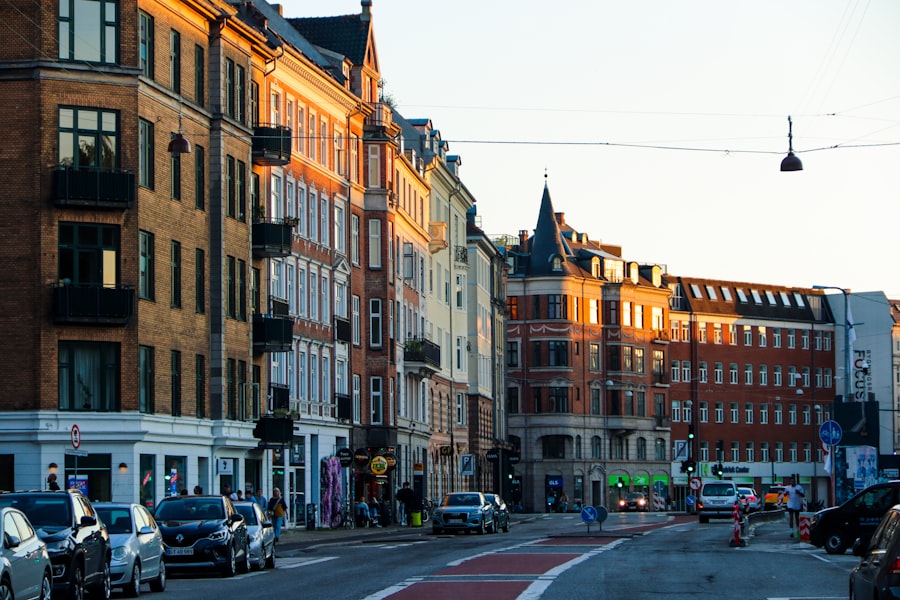
Copenhagen has a thriving second hand scene with a wide variety of shops, markets, and online platforms offering pre-loved clothing, furniture, and other items.
Where can I find second hand shops in Copenhagen?
You can find second hand shops in popular areas such as Nørrebro, Vesterbro, and the city center. There are also several well-known second hand chains and vintage stores scattered throughout the city.
Are there any second hand markets in Copenhagen?
Yes, Copenhagen hosts several second hand markets throughout the year, including flea markets, vintage markets, and clothing swaps. These events are great for finding unique items at affordable prices.
What are the benefits of buying second hand in Copenhagen?
Buying second hand in Copenhagen is not only environmentally friendly, but it also allows you to discover one-of-a-kind items and support local businesses and sellers.
Can I sell my own second hand items in Copenhagen?
Yes, there are various platforms and shops in Copenhagen where you can sell your own second hand items, whether it’s clothing, furniture, or other goods. Some shops also offer consignment options for selling your items.