You can see it in the polished cobblestones and the old sailors’ haunts in Nyhavn, but to truly touch it, you need to explore its secondhand market.
It’s a deeply ingrained philosophy, a practical approach to sustainability, and a quiet appreciation for items built with quality and character. Venturing into this world is like becoming an urban archaeologist, sifting through layers of the city’s recent history to find items that resonate with your own story.
This is not a chaotic jumble of forgotten things. It’s a structured, varied, and often stylish landscape of opportunities. For the visitor, it offers a way to connect with the authentic pulse of Copenhagen life, far from the polished storefronts of the main shopping streets. It is a chance to acquire a piece of Danish design, a unique garment, or a simple household item that carries with it a sense of place and time. Whether you are a dedicated vintage hunter or a curious wanderer, the city’s secondhand scene has a corner for you to explore.
To understand why secondhand shopping is so prominent in Copenhagen, you have to look at the broader Danish culture. There is a prevailing respect for craftsmanship and longevity. An item, whether it’s a chair, a coat, or a ceramic vase, is often seen as an investment designed to last for generations, not just a season. This mindset makes the idea of a “second life” for an object completely natural.
A Commitment to Sustainability
Denmark is a country with a strong focus on environmental responsibility. This is not just a matter of government policy; it is woven into the choices people make every day. Choosing secondhand is a tangible way to reduce consumption and waste. When you buy a pre-owned item, you are participating in a circular economy, extending the life of an object and lessening the environmental impact of producing something new. This consciousness is a quiet engine driving the popularity of the city’s many flea markets and charity shops.
The Value of ‘Hygge’ and History
The famous Danish concept of hygge—a sense of coziness, contentment, and well-being—is also connected to the secondhand world. Creating a hyggelig home often involves surrounding yourself with objects that have meaning and personality. A vintage lamp that casts a warm, soft light or a well-worn armchair that invites you to relax contributes more to this atmosphere than a sterile, mass-produced equivalent. These items have a story. You may not know the specific details of that story, but you can feel its presence, and that adds a layer of depth and comfort to a space.
Design Heritage in a New Light
Copenhagen is a global hub for design, particularly mid-century modern furniture and minimalist fashion. While new pieces from famous brands can be very expensive, the secondhand market acts as a sort of living museum where these designs are more accessible. You may not find a pristine, signed Hans Wegner chair at a flea market for a few kroner, but you will find countless items inspired by that aesthetic. You will find furniture, lighting, and homewares that embody the principles of clean lines, natural materials, and functional beauty. This makes secondhand shopping a practical way to engage with Denmark’s celebrated design legacy.
Navigating the Landscape of Secondhand Shops
Copenhagen’s secondhand scene is not monolithic. It is a diverse ecosystem of different types of venues, each offering a distinct experience and catering to different tastes and budgets. Knowing what to expect from each can help you tailor your search and make the most of your time. Think of it as a journey with different paths; one path leads through sprawling, open-air markets, while another takes you into carefully curated boutiques.
The Classic ‘Loppemarked’ (Flea Market)
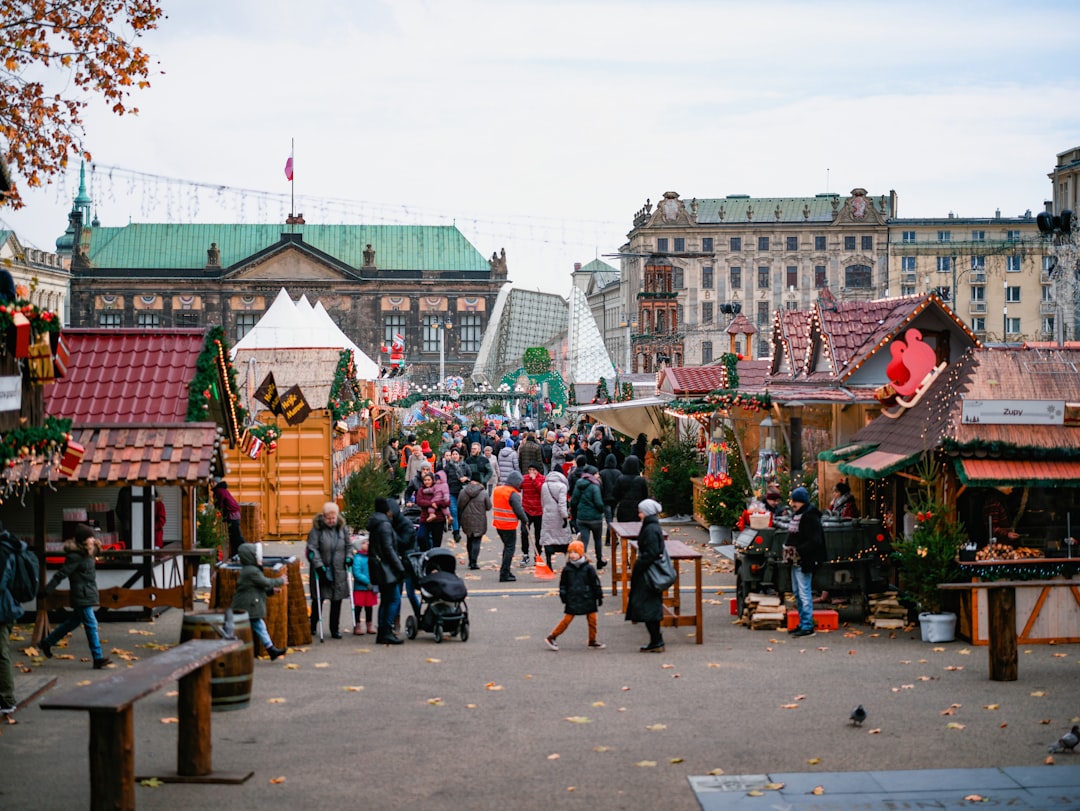
The loppemarked is the heart and soul of Danish secondhand culture. These markets are typically seasonal, springing to life in public squares and parks from spring through autumn. They are social events as much as they are commercial ones, where locals rent a stall to clear out their attics and basements. The experience is a treasure hunt in its purest form.
You will have to sift through tables piled high with a mix of everything imaginable: old toys, kitchen utensils, vinyl records, books, clothes, and the occasional piece of furniture. The quality varies wildly, from genuine junk to overlooked gems. This is where you might find a beautiful piece of Royal Copenhagen ceramic for a low price or a quirky lamp from the 1970s. The atmosphere is relaxed and informal. Haggling is often acceptable, but it should be done politely and with a smile. It is a game of chance, and the thrill is in the discovery.
Key flea markets to look for include:
- Thorvaldsens Plads Antique Market: Located next to the Thorvaldsen Museum, this market is more focused on antiques and collectibles, featuring professional sellers. It has a higher price point but also a higher concentration of quality items like silverware, porcelain, and glass.
- Remisen Loppemarked: This is one of the larger indoor flea markets, which means it can operate even in bad weather. It is a true rummager’s paradise, with a vast and eclectic mix of goods from private sellers.
Charity Shops: Giving Back While You Shop
Known as genbrugsbutikker, charity shops are a permanent fixture in nearly every Copenhagen neighborhood. They are run by non-profit organizations like Røde Kors (The Red Cross) and Kirkens Korshær (The Church’s Army), with proceeds supporting their social work. These shops are the workhorses of the secondhand world, offering a steady supply of donated goods at very reasonable prices.
The stock consists primarily of everyday items: clothing for men, women, and children; homewares like plates, glasses, and cutlery; books; and small pieces of furniture. The items are generally clean and organised by category, but the experience is less curated than in a vintage store. You will need to dedicate some time to browsing the racks and shelves. This is an excellent place to find high-quality basics, like a Danish-made wool sweater or a durable raincoat, for a fraction of their original cost. Shopping here allows you to find a bargain while contributing to a good cause.
Curated Vintage and Consignment Boutiques
At the high end of the secondhand spectrum are the curated vintage and consignment boutiques. These are not places for rummaging; they are carefully arranged spaces that feel more like designer stores or small galleries. The owners have a keen eye and select only items that meet a certain standard of quality, style, or brand recognition.
Here, you will find designer clothing from Danish and international brands, pristine mid-century modern accessories, and iconic pieces of jewelry and fashion from specific eras. The price reflects this level of curation. You are paying not just for the item itself, but for the owner’s expertise and the time they have saved you by pre-selecting the best pieces. These shops are often located in the city’s trendier neighborhoods and are the best destination if you are looking for a specific, high-quality vintage piece without the unpredictability of a flea market.
A Neighborhood-by-Neighborhood Guide
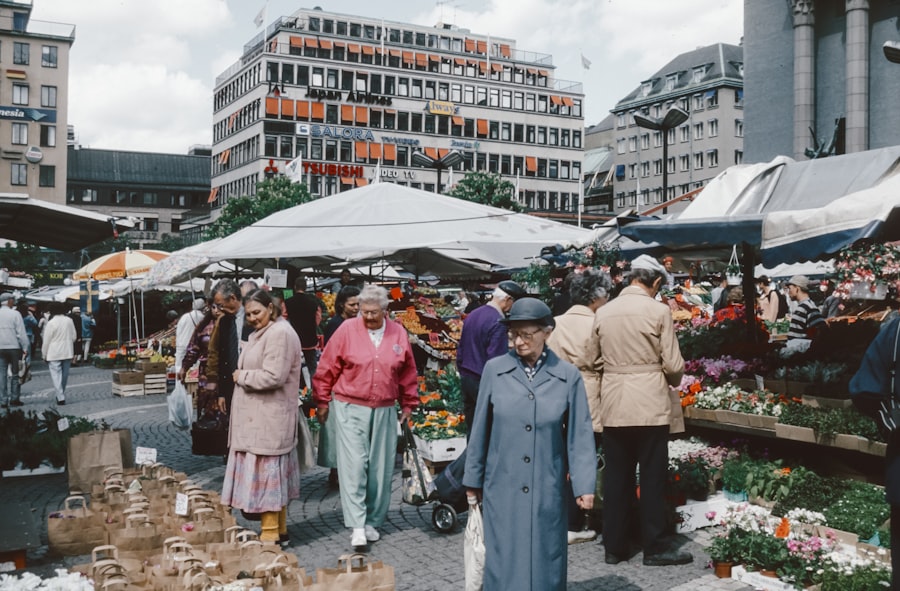
Copenhagen is a city of distinct neighborhoods, and its secondhand offerings are clustered in ways that reflect the character of each area. To shop effectively, it helps to know where to go.
Nørrebro: The Epicenter of Cool and Casual
Nørrebro is a vibrant, multicultural, and youthful district known for its laid-back atmosphere. It is arguably the city’s main hub for secondhand shopping.
The streets are lined with a dense concentration of both charity shops and cool, independent vintage stores.
Jægersborggade is a small street packed with independent businesses, including several high-quality vintage shops. Ravnsborggade is famously known as an “antique street,” though today it offers a mix of classic antique dealers, mid-century furniture specialists, and secondhand clothing stores. Walking through Nørrebro, you get the sense that secondhand is simply the default way to shop, a natural part of the area’s fabric. You can easily spend an entire day here, moving between cheap-and-cheerful charity shops and more stylishly curated boutiques.
Vesterbro: From Gritty to Polished
Vesterbro, the former red-light district, has undergone significant transformation and is now one of the city’s most fashionable areas. Its secondhand scene reflects this evolution.
While you can still find traditional charity shops, Vesterbro is particularly strong in its offering of curated vintage stores specializing in fashion and design.
The main artery of Istedgade and its surrounding streets are home to numerous boutiques selling hand-picked vintage clothing, accessories, and small design objects. The vibe is a bit more polished than in Nørrebro, and the focus is often on high-quality, on-trend pieces. This is a good place to look for unique party outfits or investment pieces from Scandinavian designers.
Indre By (The Inner City): Hidden Gems Among the High Street
The historic city center, or Indre By, is dominated by major international brands and large department stores.
At first glance, it might not seem like a prime destination for secondhand hunting. However, hidden within its old, winding streets are some of the city’s most specialized and high-end vintage shops.
The area known as the “Latin Quarter” or “Pisserenden” has a number of long-standing vintage stores, some of which have been there for decades. These shops often focus on specific niches, such as antique jewelry, designer handbags, or formal wear.
Finding them feels like discovering a secret. The prices are higher, reflecting the central location and the rarity of the items, but the quality is exceptional.
The Hunt for Danish Treasures
| Metrics | Value |
|---|---|
| Number of Danish Treasures Found | 15 |
| Duration of the Hunt | 3 months |
| Number of Participants | 50 |
| Total Value of Treasures | 500,000 |
When you are exploring Copenhagen’s secondhand market, it helps to have an idea of what to look for. Certain categories of items are particularly abundant and offer a great opportunity to acquire a piece of authentic Danish culture and design.
Mid-Century Modern Furniture and Lighting
This is the holy grail for many visitors. While large pieces of furniture can be difficult to transport, you can find smaller items like side tables, stools, or shelves that embody the mid-century aesthetic. Pay attention to the materials—teak, rosewood, and oak were commonly used—and the clean, functional forms.
Lighting is an even more accessible treasure. Look for vintage pendant lamps, desk lamps, and wall sconces. Brands like Louis Poulsen are iconic, but you can find many beautiful, unbranded pieces from the 1950s, 60s, and 70s that will add a touch of Danish modern style to your home.
Ceramics and Glassware
Denmark has a proud tradition of producing high-quality ceramics and glassware. At flea markets and in charity shops, keep an eye out for pieces from famous manufacturers like Royal Copenhagen and Bing & Grøndahl. You might find plates, cups, or figurines from discontinued series. A special thing to look for are “seconds”—items with a tiny, almost unnoticeable flaw that were sold at a discount. These are often marked with a small, deliberate scratch through the maker’s stamp on the bottom.
Glassware from Holmegaard is another common find. Look for their distinctive, organic shapes in vases and bowls. Even simple, unmarked pieces of Scandinavian glass can be beautiful and are easy to pack.
Quality Clothing and Textiles
Danes value practical, well-made clothing that can withstand the changeable weather. In secondhand shops, you can find excellent quality wool sweaters, well-constructed raincoats, and minimalist clothing from Danish brands known for their durable materials. Instead of chasing fast fashion, you can find timeless pieces that were built to last. Also look for classic Danish textiles like tablecloths and tea towels, often featuring simple, graphic patterns.
Practical Advice for the Savvy Shopper
To make your secondhand exploration a success, a few practical tips can make all the difference.
Timing Your Visit
Flea markets are almost exclusively a weekend affair and are highly dependent on the weather. The season generally runs from April to October. Check online for specific dates and times, as they can vary. Regular shops, including charity and vintage stores, typically follow standard Danish opening hours, which means they may close earlier than you are used to (often around 17:30 or 18:00 on weekdays and earlier on Saturdays). Many are closed on Sundays.
Payment and Pricing
The payment landscape is mixed. Here’s a quick guide:
- Flea Markets: Cash is king. While some professional sellers might accept cards or the local mobile payment app (MobilePay), most private sellers will only take cash. It is wise to have a supply of Danish kroner in small denominations.
- Charity Shops and Vintage Stores: These formal establishments will almost always accept major credit cards.
Bargaining is expected and part of the fun at flea markets, but it is not appropriate in fixed-price charity shops or curated vintage boutiques.
A Note on Sizing and Condition
Always inspect items carefully before you buy, as sales are almost always final. Look for stains, holes, or damage. With electronics, it is often impossible to test them on site, so buying them is a risk. When it comes to clothing, be aware that vintage sizes and European sizes may differ from what you are used to. If possible, try things on or bring a tape measure to check dimensions. Part of the charm of secondhand is its imperfection, but it is best to know exactly what you are getting.
If you’re interested in exploring the second-hand market in Copenhagen, you may also want to check out Vintage Copenhagen’s article on the “Top 10 Things to Do Near Vintage Copenhagen.” This article provides additional insights into the vintage scene in the city and offers recommendations for other activities to enjoy while exploring the area. You can read more about it here.
FAQs
What is the second hand market in Copenhagen?
The second hand market in Copenhagen refers to the buying and selling of used goods, including clothing, furniture, electronics, and more, through various channels such as thrift stores, flea markets, online platforms, and swap events.
Where can I find second hand shops in Copenhagen?
Copenhagen has a wide range of second hand shops located throughout the city, including popular areas such as Nørrebro, Vesterbro, and Frederiksberg. These shops offer a variety of pre-owned items, from vintage clothing to retro furniture.
What are some popular online platforms for second hand shopping in Copenhagen?
Popular online platforms for second hand shopping in Copenhagen include websites such as DBA, Trendsales, and Facebook Marketplace. These platforms allow individuals to buy and sell used items directly to one another.
Are there any flea markets in Copenhagen?
Yes, Copenhagen is home to several flea markets, including the popular weekend market at Israels Plads and the monthly market at Remisen in Nørrebro. These markets offer a wide selection of second hand goods, antiques, and unique finds.
What are some tips for buying second hand in Copenhagen?
When buying second hand in Copenhagen, it’s important to inspect items carefully for any damage or wear, and to negotiate prices when appropriate. Additionally, it’s helpful to research the market value of items to ensure you’re getting a fair deal.