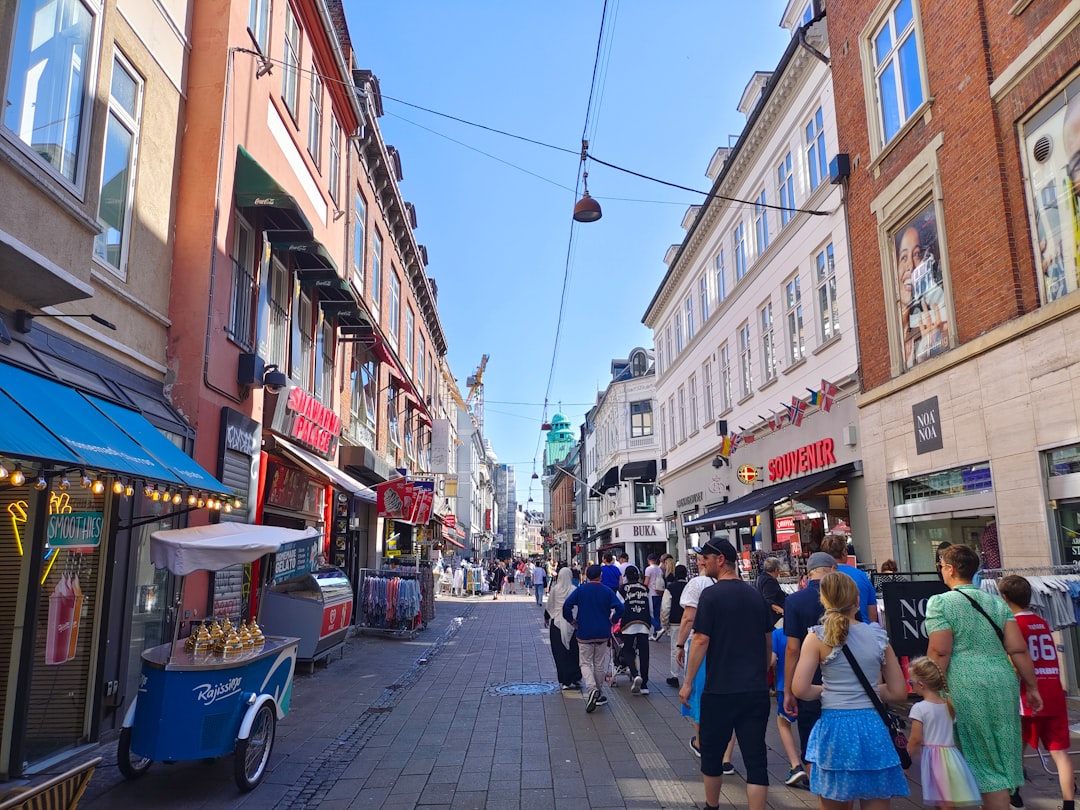
Copenhagen, a city celebrated for its sleek design, cycling culture, and culinary prowess, holds another, slightly less polished gem in its crown: a vibrant and deeply ingrained thrift shopping scene. To the visitor, it might seem like a contradiction. How can a place known for expensive, minimalist aesthetics also be a haven for second-hand goods? The answer lies in the Danish appreciation for quality, sustainability, and the stories embedded in objects. Thrifting here is less about frantic bargain hunting and more a thoughtful process of discovery. It’s a way to engage with the city’s practical, eco-conscious soul, moving beyond the curated showrooms to find pieces with a past.
This guide is designed to help you navigate the landscape of Copenhagen’s second-hand world, from sprawling flea markets to carefully selected vintage boutiques. Forget the image of dusty, forgotten corners; thrifting in this city is an organized, respected, and often stylish affair. It is your opportunity to find not just a souvenir, but a piece of authentic Danish life.
Before you begin your journey, it’s helpful to understand the different kinds of establishments you will encounter. Each offers a distinct experience, price point, and type of merchandise. Think of it as learning the local dialect of shopping; knowing the difference between a genbrugsbutik and a loppemarked will shape your expectations and your strategy.
h3: Genbrugsbutikker: The Charity Shops
The backbone of Copenhagen’s thrift scene is the genbrugsbutik, or charity shop. These are operated by non-profit organizations, with proceeds supporting various social and humanitarian causes. You will see their familiar logos dotted across every neighborhood. The most common are:
- Røde Kors (The Red Cross): Often the largest and most well-organized, with dedicated shops for clothing, furniture, and children’s items.
- Kirkens Korshær (The Church’s Army): Tends to have a more eclectic mix of everything, from clothing to kitchenware.
- Folkekirkens Nødhjælp (DanChurchAid): Similar to the others, offering a broad range of donated goods.
These shops are where everyday Danes donate their pre-loved items. The atmosphere is unpretentious and the pricing is generally low. Here, you are on a treasure hunt in the truest sense. You might sift through ten ordinary winter coats before finding a perfectly preserved, high-quality wool jacket for a fraction of its original cost.
h3: Loppemarkeder: The Flea Markets
A loppemarked is a flea market, and in Copenhagen, they are a beloved seasonal institution. From late spring to early autumn, public squares, event halls, and parks transform into bustling marketplaces. Unlike the charity shops, these are often run by individuals selling their own possessions or by professional vendors dealing in antiques and collectibles. The experience is more dynamic and social. The air buzzes with conversation, and a bit of friendly haggling is sometimes possible, though many sellers prefer a fast pris (fixed price).
Famous flea markets, like the one at Remisen or the various neighborhood markets that pop up on weekends, are like temporary cities built from forgotten objects. One stall might offer Royal Copenhagen porcelain seconds, while its neighbor displays vintage rock t-shirts and worn leather jackets. Visiting a loppemarked is as much a cultural activity as it is a shopping trip. It’s a chance to see Danes at leisure and to find items with a very personal history.
h3: Vintage and Curated Boutiques
At the top end of the second-hand spectrum are the vintage and curated boutiques. These are not places for rummaging; they are carefully edited collections where every item has been selected for its style, quality, and relevance to current trends. Shops like Prag, Episode, or Time’s Up Vintage are more like fashion archives. The racks are organized by type and color, and the focus is on specific eras—the bold prints of the 70s, the power shoulders of the 80s, or the grunge flannel of the 90s.
Naturally, the prices here are significantly higher than in a genbrugsbutik. You are paying for the curation, the cleaning, and the expertise of the shop owner. These are the stores you visit when you are looking for a statement piece, a designer label from a past season, or a specific aesthetic that you can’t find elsewhere. They bridge the gap between second-hand and high-end retail.
Navigating the Neighborhoods: Where to Focus Your Search
Copenhagen is a city of distinct neighborhoods, and each has its own thrifting personality. Knowing where to go can save you time and lead you to the kinds of shops that best suit your interests. You could spend a full day exploring the second-hand offerings of just one of these areas.
h3: Nørrebro: The Epicenter of Cool
If you only have time for one neighborhood, make it Nørrebro. This multicultural, youthful, and vibrant district is the undisputed heart of Copenhagen’s thrift culture. The main thoroughfare, Nørrebrogade, and its surrounding side streets are lined with an incredible density of second-hand shops. Here, you’ll find a democratic mix of everything. Large Røde Kors and Kirkens Korshær stores sit just doors down from hip, curated vintage boutiques.
Jægersborggade, a smaller street known for its independent businesses, also has a few choice spots. The beauty of Nørrebro is the variety. You can start your day digging through bins for cheap porcelain at a charity shop and end it trying on a perfectly tailored 1960s dress at a high-end vintage store. The neighborhood’s energy fuels the hunt, making it a rewarding and exciting place to explore.
h3: Vesterbro: Edgy and Eclectic Finds
Vesterbro, once the city’s gritty red-light district, has transformed into one of its most fashionable areas, but it retains a certain edge. This personality is reflected in its second-hand shops. The main streets of Istedgade and Vesterbrogade are your primary hunting grounds. Vesterbro offers a slightly more rock-and-roll vibe compared to Nørrebro. You’re more likely to find vintage band tees, leather goods, and denim alongside classic Scandinavian designs.
The area is home to both large charity shops and specialized independent stores. Because of its history and ongoing gentrification, the donations and offerings in Vesterbro can be wonderfully unpredictable. It’s a neighborhood of contrasts, and its thrift stores are no exception, making it a great place for those looking for something a little different.
h3: Inner City (Indre By): Hidden Gems Among High Street Brands
At first glance, the city center, or Indre By, seems to be all about mainstream international brands and exclusive Danish designer flagships. However, tucked away in the cobbled lanes of the Pisserenden (Latin Quarter) and the surrounding streets, you can find some of the city’s most exquisite and specialized vintage shops. These stores are often smaller, more expensive, and highly curated.
This is where you go if you’re looking for high-end designer vintage, rare accessories, or museum-quality period clothing. The hunt here is more subtle. It’s about peering into a small storefront and discovering a hidden world of fashion history. While you’ll also find a few charity shops, the primary draw of the inner city is its concentration of premium vintage that stands shoulder-to-shoulder with modern luxury.
What to Look For: Copenhagen’s Second-Hand Specialties
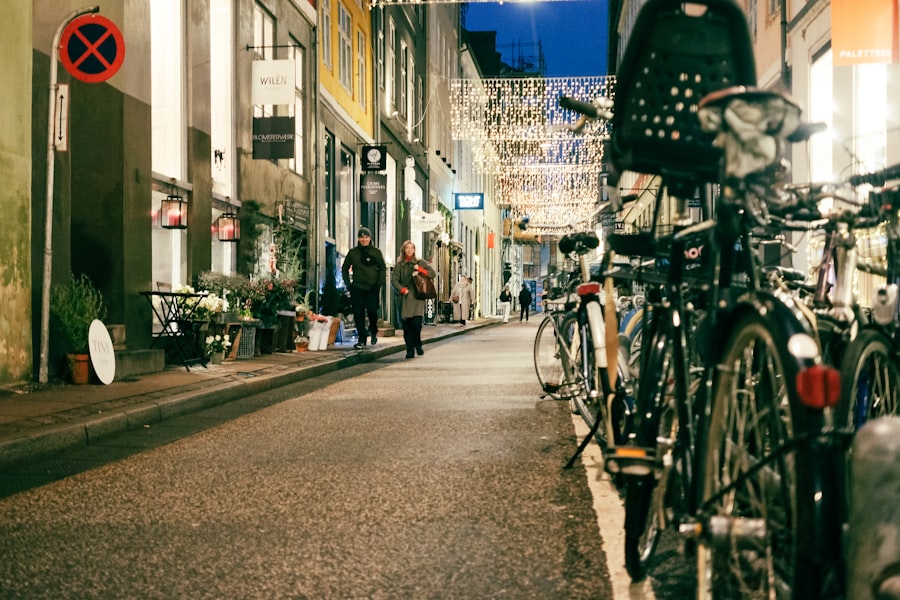
While you can find almost anything in Copenhagen’s thrift stores, certain categories of items stand out for their quality, availability, and value. Focusing your search on these Danish specialties can lead to truly rewarding finds that you wouldn’t discover anywhere else.
h3: Danish Design and Homewares
This is perhaps the most exciting category for any visitor. Danes have a deep appreciation for well-designed household objects, and they tend to buy quality that lasts. As a result, charity shops and flea markets are often veritable treasure chests of classic Danish design. Keep your eyes peeled for ceramics from brands like Royal Copenhagen, Bing & Grøndahl, and Søholm.
You may find plates, vases, or figurines for a tiny fraction of their retail price.
Look for mid-century modern items as well: teak candle holders, stainless steel cutlery, and sculptural glassware. Even if an item is not from a famous brand, the general standard of design is high. You can easily furnish a kitchen or find beautiful decorative objects that embody the timeless Scandinavian aesthetic.
h3: Quality Knitwear and Outerwear
The Danish climate demands good clothing.
Cold, wet, and windy weather for much of the year means that sweaters, coats, and rain jackets are essential wardrobe items. Because of this, Danes invest in high-quality, durable outerwear and knitwear, often made from natural materials like wool, cashmere, and alpaca.
When these items are eventually donated, they offer incredible value. In any genbrugsbutik, you can find a rack dedicated to strik (knitwear) filled with beautifully made sweaters from Scandinavian brands.
Look for classic fisherman sweaters, minimalist cardigans, and heavy wool coats that have decades of life left in them. These are practical, long-lasting pieces that serve as perfect, functional souvenirs.
h3: Minimalist and Classic Clothing
Reflecting the prevailing fashion sense, the clothing you’ll find in Copenhagen’s thrift stores often leans towards minimalism and classic cuts. If your style favors clean lines, neutral colors, and quality fabrics like cotton, linen, and viscose, you will be very successful.
Danes tend to part with clothes that are still in excellent condition.
This is the opposite of fast fashion thrifting. Instead of sifting through piles of poorly made, trend-driven items, you are more likely to find well-constructed blouses, tailored trousers, and simple dresses from respected Danish and European brands. It’s an opportunity to build a sustainable and timeless wardrobe based on quality rather than fleeting trends.
A Practical Guide to Thrifting in Copenhagen
| Thrift Store Name | Location | Opening Hours |
|---|---|---|
| Episode | Elmegade 22, 2200 København N | Mon-Sat: 11am-6pm, Sun: 12pm-4pm |
| Wasteland | Elmegade 21, 2200 København N | Mon-Fri: 11am-6pm, Sat: 11am-4pm, Sun: 12pm-4pm |
| Genbrug | Nørrebrogade 45, 2200 København N | Mon-Fri: 10am-6pm, Sat: 10am-4pm, Sun: Closed |
A successful thrift shopping expedition requires a bit of planning. Knowing the local customs and practicalities will make your experience smoother and more enjoyable.
h3: Timing Your Visit
Be mindful of opening hours. Danish shops, including second-hand stores, often close earlier than in many other countries. Many shut their doors by 18:00 (6 PM) on weekdays and even earlier on Saturdays. Sunday shopping is not a given; while some vintage boutiques in central areas might be open, most charity shops will be closed.
Flea market season is typically from April to September. If you are visiting during these months, check local event listings online (searching for “loppemarked København”) to see what’s on during your stay. Visiting any shop on a weekday morning is often best for a quieter, more focused experience.
h3: Payment and Pricing
While Denmark is moving towards a cashless society, it’s wise to have some Danish kroner with you, especially for flea markets where small, private sellers may not accept credit cards. Most established shops, including charity shops, will accept major credit cards. You will see locals paying for everything with MobilePay, a phone-based payment system, which is generally not available to tourists.
Pricing is straightforward. Charity shops are the cheapest, with clothing items often costing between 30-100 DKK. Curated vintage is much more expensive, with prices for dresses or jackets easily reaching 500 DKK or more. Haggling is not common in shops, but you can sometimes negotiate politely at a flea market.
h3: The Art of the Dig
Thrifting successfully requires patience. Think of yourself as an archaeologist of everyday life, carefully uncovering artifacts from the recent past. Wear comfortable shoes, as you’ll be on your feet for hours. Be prepared to methodically go through every item on a rack. Don’t just look at the style; feel the fabric. Check for quality construction by examining seams and buttons.
Always inspect items carefully for flaws—stains, holes, or broken zippers—before purchasing, as sales are almost always final. Go in with an open mind. The greatest joy of thrifting is not finding what you were looking for, but discovering something you never knew you needed.
Beyond the Purchase: The Sustainable Heart of Thrifting
To shop second-hand in Copenhagen is to participate in a core aspect of modern Danish culture. It goes beyond finding a bargain; it is a conscious act rooted in a desire for sustainability and a rejection of the disposable. In a world of fast fashion and mass production, choosing a pre-owned item is a small but meaningful statement.
h3: A Circular Mindset
The popularity of thrifting here is a direct reflection of a circular mindset. Objects are seen as having a life cycle that should be extended for as long as possible. A well-made chair is not thrown away; it is passed on. A quality wool coat is not discarded; it is donated so someone else can stay warm. This philosophy is woven into the fabric of society, making the act of buying second-hand feel normal, responsible, and even smart.
h3: Taking Home a Story
Ultimately, the most valuable thing you will find in Copenhagen’s thrift shops is not an object, but a story.
That vintage dress might have been worn to a university dance in the 1970s. These items are not sterile products from a factory; they are imbued with a history and a sense of place. When you take one home, you are carrying with you a tangible piece of Copenhagen, a quiet narrative that will continue with you. It is the most authentic souvenir imaginable.
If you’re looking to explore more vintage shopping options in Copenhagen, you should check out Vintage Copenhagen’s article on the top 10 things to do near their store. This guide will give you a comprehensive list of activities and attractions to enjoy while in the area. Additionally, Vintage Copenhagen also provides a helpful article on where to find affordable vintage clothes in Copenhagen, perfect for those looking to shop on a budget. For tourists specifically, Vintage Copenhagen has curated a list of the best vintage shops in the city, ensuring you have a memorable shopping experience during your visit. Check out these articles for more information on thrift shopping in Copenhagen! Source Source Source
FAQs
What is thrift shopping?
Thrift shopping, also known as secondhand shopping, involves purchasing used or pre-owned items such as clothing, accessories, and household goods at a lower cost than buying new items.
Where can I find thrift stores in Copenhagen?
Copenhagen has a variety of thrift stores scattered throughout the city, with popular areas including Nørrebro, Vesterbro, and the city center. Some well-known thrift stores in Copenhagen include Episode, Wasteland, and Red Cross shops.
What can I expect to find in thrift stores in Copenhagen?
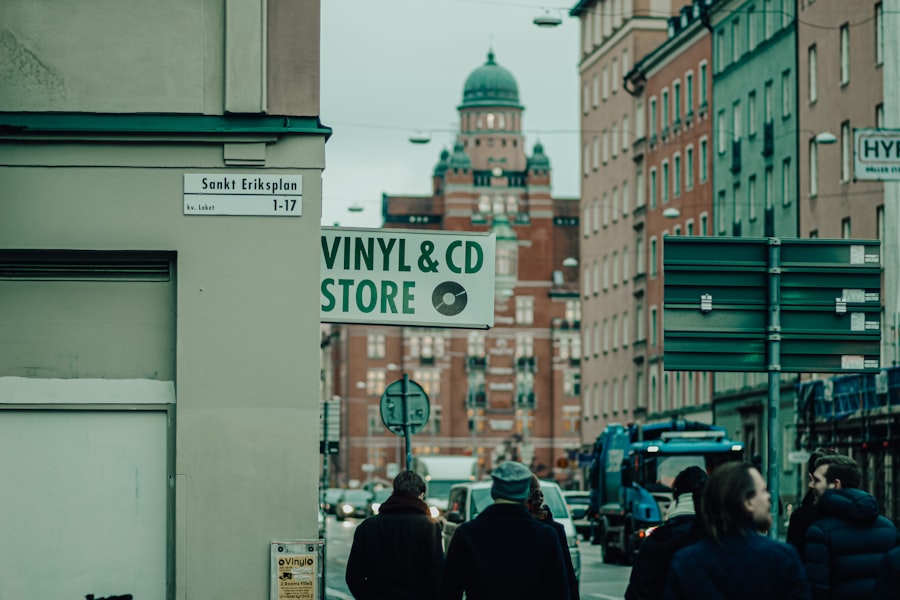
Thrift stores in Copenhagen offer a wide range of items, including vintage clothing, designer pieces, accessories, and unique home decor items. You can also find secondhand furniture, books, and vinyl records in some thrift stores.
What are the benefits of thrift shopping in Copenhagen?
Thrift shopping in Copenhagen allows you to find unique and one-of-a-kind items at a fraction of the cost of buying new. It also promotes sustainability by giving pre-owned items a new life and reducing the demand for new production.
Are thrift stores in Copenhagen affordable?
Thrift stores in Copenhagen generally offer affordable prices, especially when compared to buying new items. You can often find high-quality, well-maintained items at a significantly lower cost than their original retail price.
Is it common to bargain at thrift stores in Copenhagen?
Bargaining is not a common practice at thrift stores in Copenhagen. Prices are typically marked as displayed, and the focus is more on the value and uniqueness of the items rather than negotiating the price.