
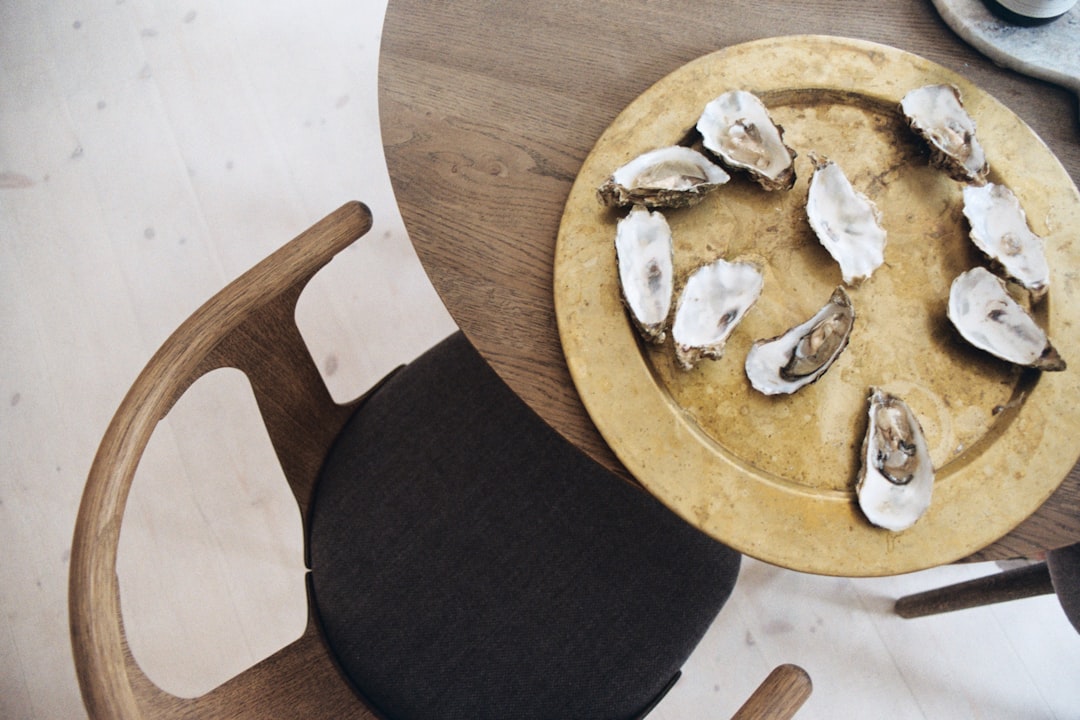
When you first arrive in Copenhagen, you will notice two things almost immediately: the effortless style that permeates everything from fashion to architecture, and the considerable cost of living. These two elements create a perfect storm for a thriving second-hand culture, particularly when it comes to furnishing your home. For Danes, buying used items, or genbrug, is not just an economic necessity; it is a deeply ingrained part of the national psyche, rooted in principles of sustainability, quality, and an appreciation for history. Venturing into the world of second-hand furniture here is not merely a shopping trip. It is an exploration of Danish social history, a lesson in design, and a practical way to create a home that is both beautiful and personal. Each scuff on a wooden leg or faint ring on a tabletop is a chapter in a story, and by bringing these pieces into your home, you become the next author.
The decision to buy used furniture in the Danish capital is a logical one, driven by a combination of cultural, historical, and financial factors. It’s a path that offers more than just savings; it provides a connection to the very essence of Danish living.
The Sustainability Angle
Denmark is a country that takes its environmental responsibilities seriously. The concept of a circular economy is not a new trend here but a long-standing practice. You will see this in the comprehensive recycling systems and the ubiquitous presence of cargo bikes. This mindset extends directly to household goods. Throwing away a perfectly functional, well-made chair simply because it’s old is seen as wasteful. The genbrugsbutik (charity reuse shop) is a testament to this, turning one person’s unwanted item into another’s valued possession. By choosing second-hand, you are actively participating in this system, reducing landfill waste and lowering the carbon footprint associated with manufacturing and shipping new products. It’s a quiet but meaningful way to align with the local values.
Accessing Danish Design History
Copenhagen is the epicentre of Danish Modern design, a movement that produced globally recognised names like Hans Wegner, Børge Mogensen, and Arne Jacobsen. Buying a new, licensed “Wishbone” chair or “Spanish” chair can cost thousands of euros, placing these iconic designs out of reach for many. The second-hand market acts as a living museum where these pieces are still in circulation. While a pristine, first-edition Wegner chair will still command a high price even in a vintage store, you can often find less famous but equally well-crafted pieces from the same era for a fraction of the cost. You might discover a beautiful teak sideboard from the 1960s or a set of dining chairs by a lesser-known but talented cabinetmaker. This allows you to own a tangible piece of the design heritage that defines the city, imbuing your home with a sense of authenticity that mass-produced furniture cannot replicate.
The Economic Advantage
Let’s be direct: new furniture in Copenhagen is expensive. Whether you are shopping at a high-end design store or a more accessible chain, the prices reflect the high cost of labour, materials, and retail space in the city. For students furnishing a small apartment, a young family setting up their first home, or an expatriate on a temporary assignment, buying everything new can be financially prohibitive. The second-hand market provides a sensible and effective solution. You can furnish an entire apartment for the price of a single new sofa, allowing you to allocate your budget to other experiences. This financial relief does not mean you have to compromise on quality. In fact, you will often find that older, second-hand furniture is more sturdily built than many modern, flat-pack alternatives.
Navigating the Different Types of Second Hand Shops
Copenhagen’s second-hand scene is not monolithic. It is a varied landscape with different types of venues, each offering a distinct experience and catering to different needs and budgets. Understanding the differences is key to a successful search.
The Genbrugsbutik (Charity Shop)
These are the workhorses of the Danish second-hand world. Run by non-profit organisations like the Red Cross (Røde Kors), Danmission, and Kirkens Korshær, these shops are found in nearly every neighbourhood. Their inventory is entirely donation-based, which means the selection is unpredictable and eclectic. You will find furniture alongside clothes, kitchenware, books, and electronics. Prices are generally very low, as the primary goal is to raise funds for charitable causes.
Shopping in a genbrugsbutik is a hunt. You must be prepared to sift through a lot of ordinary items to find a gem. One day you might find nothing, and the next you could stumble upon a solid oak dining table for the price of a pizza. These shops are ideal for basics like simple shelving, sturdy wooden chairs, small tables, and lamps. The quality can vary, so inspect items carefully for stability and wear.
The Loppemarked (Flea Market)
The flea market is a more dynamic and social affair. Often held on weekends in public squares, event halls, or parks, especially during the warmer months from spring to autumn, loppemarkeder bring together hundreds of private sellers and professional dealers. The atmosphere is bustling and conversational. Here, you are buying directly from the previous owner, who can sometimes tell you the history of the piece.
Haggling is more common and expected at a flea market than in a fixed-price shop. The selection is vast, ranging from genuine antiques and design classics to personal clutter. This is where your eye for quality and knowledge of design can truly pay off. Famous markets include the weekend market at Remisen in Østerbro and the seasonal Thorvaldsens Plads Antique Market. Visiting a flea market is as much a cultural experience as it is a shopping trip. It’s a chance to engage with locals, practice your Danish, and enjoy the lively community atmosphere.
The Curated Vintage & Design Store
This is the top tier of second-hand shopping. These are not junk shops; they are carefully curated galleries of furniture, lighting, and ceramics, primarily from the mid-20th century. The owners are experts who have already done the hard work of sourcing, identifying, and often restoring the pieces. You will walk into a beautifully arranged space where every item is a statement.
Here you will find the famous names and iconic forms. Consequently, the prices are significantly higher, reflecting the rarity, condition, and design pedigree of the items. You are paying for the quality, the curation, and the certainty of what you are buying. These stores are for the serious collector or for someone looking for a specific, high-impact piece to be the centrepiece of a room. You won’t find bargains here, but you will find guaranteed quality and timeless style.
Key Neighbourhoods for Your Furniture Hunt
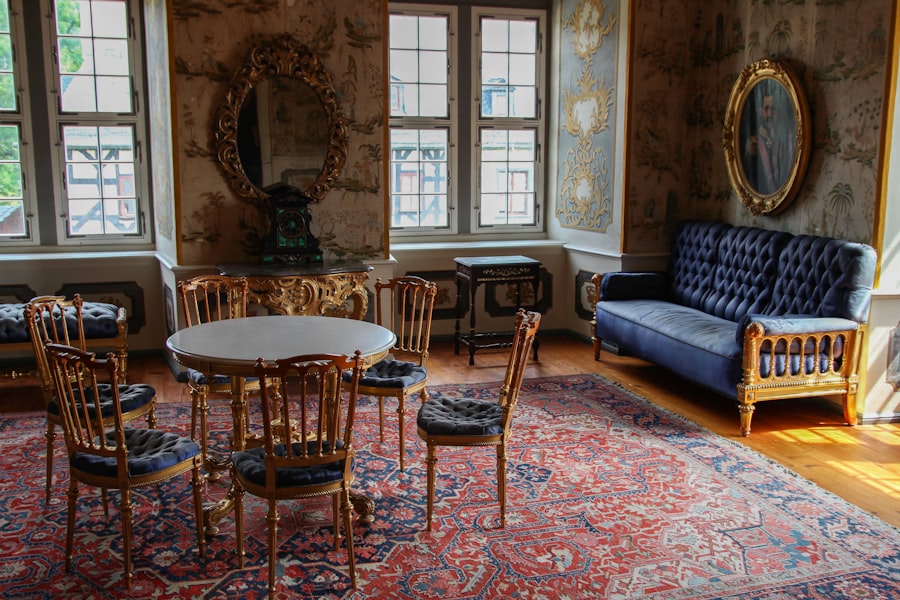
While second-hand shops are scattered all over Copenhagen, certain districts have a higher concentration and a particular character. Focusing your search on these areas can make your efforts more efficient and enjoyable.
Nørrebro
Known for its multicultural, youthful, and slightly gritty vibe, Nørrebro is a fantastic starting point. The main artery of Nørrebrogade and its many side streets are dotted with charity shops and independent vintage stores. The real goldmine, however, is Ravnsborggade. This street is famous for its cluster of antique and second-hand shops, ranging from cluttered basements filled with curiosities to more polished design boutiques.
On certain days, the street hosts its own flea market, creating a vibrant, concentrated hub for buyers. Nørrebro’s offerings mirror its population: diverse, unpretentious, and full of hidden character.
Vesterbro
Once a working-class neighbourhood, Vesterbro is now one of the city’s trendiest districts. Its second-hand scene reflects this evolution.
Along streets like Istedgade and Sønder Boulevard, you will find a mix of classic Red Cross charity shops, cool basement vintage stores, and more upscale retro-furniture dealers. The vibe is less about formal antiques and more about cool, individualistic pieces from the 60s, 70s, and 80s. It’s a great area to search for unique lighting, quirky seating, and decorative items that will give your home a distinct personality.
Frederiksberg
Frederiksberg is a municipality in its own right, landlocked within Copenhagen. It is generally more affluent and residential than Nørrebro or Vesterbro, and its second-hand shops reflect this.
The charity shops here often receive donations of higher quality, well-maintained furniture. Along Gammel Kongevej, the main shopping street, you will find a mix of charity shops and sophisticated antique and design stores. The pace is a bit slower here, making for a more relaxed browsing experience.
You are more likely to find classic, traditional furniture—think dark wood and timeless forms—that has been cared for over generations.
The Digital Marketplace: Shopping from Home
| Metrics | 2019 | 2020 |
|---|---|---|
| Online Shoppers (millions) | 150 | 200 |
| Online Sales (billion ) | 500 | 700 |
| Mobile Shopping (%) | 40 | 60 |
In a tech-savvy country like Denmark, the hunt for second-hand furniture is not limited to physical shops. The online world offers a vast, ever-changing inventory that you can browse from the comfort of your sofa.
DBA.dk (Den Blå Avis)
DBA is the undisputed king of online classifieds in Denmark. It is the Danish equivalent of Craigslist or eBay’s classifieds section, and it is an enormous resource for second-hand goods of every conceivable kind. The furniture section is incredibly active, with thousands of new listings appearing daily. The platform is a digital flea market, a vast ocean of possibilities where you can find everything from entire kitchens to designer armchairs. You can filter by category, location, and price, but the real key to success is using the right Danish search terms. Many listings are from private individuals looking to sell quickly, which can lead to excellent prices. Be prepared to act fast, as good deals are snapped up within hours.
Facebook Marketplace and Groups
Facebook has become an increasingly popular platform for buying and selling used items. Its Marketplace function is geographically focused, showing you items for sale in your local area. Its main advantage is the social element; you can see the seller’s profile, which can add a layer of trust. Furthermore, there are numerous specialised “buy/sell/trade” (køb/salg/bytte) and “give away” (gratis) groups for Copenhagen and its various neighbourhoods. Joining these groups can give you access to items that are never listed elsewhere. The transactions are often more informal, and communication is quick via Messenger.
Practical Tips for a Successful Purchase
Finding the perfect piece is only half the battle. You also need to navigate the practicalities of buying, inspecting, and transporting your new-old furniture in Copenhagen.
Know Your Danish Terms
Whether you are searching online or trying to read a price tag in a shop, a basic vocabulary is essential. You do not need to be fluent, but knowing key nouns will make your search infinitely more effective.
Here are a few essential words to get you started:
- Chair: stol (or stole for plural)
- Table: bord
- Sofa: sofa
- Shelving unit / Bookcase: reol
- Cabinet / Cupboard: skab
- Lamp: lampe
- Free: gratis
- For sale: til salg
Logistics: The Elephant in the Room
You have found a beautiful, heavy oak sideboard for a great price. Now what? This is a critical question in a city where many people do not own a car. Getting your furniture home is a logistical challenge you must plan for. For smaller items, a sturdy bag on the bus or metro will suffice. For medium-sized pieces like chairs or small tables, the quintessential Copenhagen solution is a cargo bike (ladcykel). You can rent them from various providers for a few hours. For large items like sofas or wardrobes, you will need a vehicle. Car-sharing services like GreenMobility often have small electric vans available for hourly rental. Alternatively, you can search for a “man with a van” service (flyttemand) on platforms like DBA for a fixed fee.
Inspection and Patience
When buying used, especially older wooden furniture, a quick inspection is crucial. Check for stability by gently pushing on the item—wobbly legs can sometimes be fixed, but it’s good to know what you’re getting into. Look for signs of woodworm (træorm), which appear as small, pin-sized holes. While often inactive, it’s a point to consider. Check that drawers slide smoothly and doors hang correctly.
Most importantly, be patient. Furnishing a home with second-hand pieces is a marathon, not a sprint. It is a process of gradually finding items that you love. Don’t feel pressured to buy everything at once. The search is part of the fun. By taking your time, you will not only save money but also curate a home filled with unique, quality pieces that tell a story—your story, intertwined with the rich history of Copenhagen.
If you’re looking for more vintage treasures in Copenhagen, you might want to check out this article on the best vintage shops in the city for tourists. It offers a guide to some of the top spots to find unique and affordable second-hand items. Vintage Copenhagen also provides recommendations for other activities to do in the area, as seen in their article Top 10 Things to Do Near Vintage Copenhagen. Whether you’re in search of vintage clothes or furniture, Copenhagen has plenty to offer for those who love retro finds.
FAQs
What are the popular places to buy second hand furniture in Copenhagen?
Some popular places to buy second hand furniture in Copenhagen include the flea markets at Israels Plads and Frederiksberg, the charity shops of Frelsens Hær and Kirkens Korshær, and the vintage stores in Nørrebro and Vesterbro.
What types of second hand furniture can be found in Copenhagen?
In Copenhagen, you can find a wide variety of second hand furniture including vintage Danish design pieces, mid-century modern furniture, antique pieces, and contemporary second hand furniture.
Are there any online platforms for buying and selling second hand furniture in Copenhagen?
Yes, there are several online platforms such as DBA, Facebook Marketplace, and Den Blå Avis where you can buy and sell second hand furniture in Copenhagen.
What are the average prices for second hand furniture in Copenhagen?
The prices for second hand furniture in Copenhagen can vary widely depending on the type, condition, and rarity of the piece. However, on average, you can expect to find good quality second hand furniture at a fraction of the price of new furniture.
Is it common to negotiate the price of second hand furniture in Copenhagen?
Yes, it is common to negotiate the price of second hand furniture in Copenhagen, especially at flea markets and when buying directly from individuals. However, it is important to be respectful and reasonable when negotiating.