Copenhagen is a city that wears its history with a quiet confidence. While famous for its sleek, modern design and world-class gastronomy, another, more subtle narrative is woven into its fabric. This is the story told in its second-hand shops, a world the Danes call genbrug, or “re-use.” To explore this world is to go on a treasure hunt through the city’s collective memory, where every pre-loved object has a past and is waiting for a new future. It’s an experience that goes beyond simple shopping; it is a way to connect with the authentic, sustainable, and deeply personal side of Danish culture. If you are willing to look past the main shopping arteries, you will find a city full of hidden gems waiting to be discovered.
Before you begin your journey, it helps to understand the philosophy that fuels Copenhagen’s thriving second-hand market. This isn’t just about finding bargains; it’s a reflection of core Danish values.
The Philosophy Behind the Purchase
Danes often invest in high-quality, durable goods from the start. This applies to everything from furniture and kitchenware to clothing. The principle is one of “buy it once, buy it well.” As a result, when these items eventually find their way into the second-hand ecosystem, they are often in remarkably good condition. You are not just buying someone else’s cast-offs; you are often acquiring a piece of classic Danish design or a well-made garment that was built to last for decades. This focus on longevity and craftsmanship is the foundation upon which the city’s second-hand treasures are built. It’s a sustainable cycle where quality is appreciated and preserved, passing from one owner to the next.
Types of Second-Hand Shops
The term “second-hand shop” in Copenhagen covers a broad spectrum of experiences. To navigate it effectively, you should know what to expect from each type of establishment.
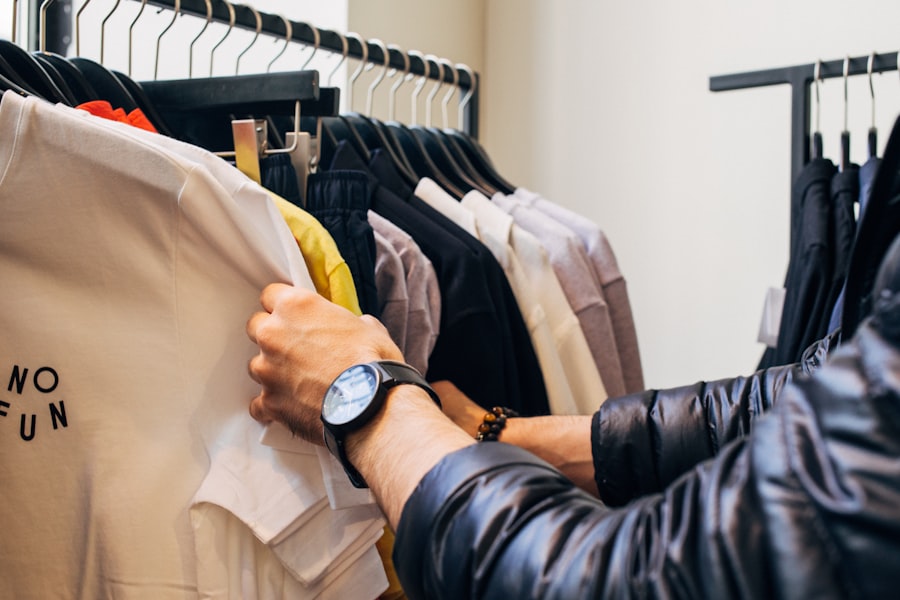
Your first stop might be the curated vintage boutiques. These are often stylishly arranged shops, typically found in the hipper neighbourhoods, where the owner has already done the hard work for you. They have sifted through mountains of clothing and objects to select only the most unique, high-quality, or designer pieces. Here, you pay a premium for the curation and the prime location.
On the other end of the spectrum are the charity shops, known as genbrugsbutikker. These are run by non-profit organisations like the Red Cross (Røde Kors) or Kirkens Korshær. These shops are less about high fashion and more about the thrill of the hunt. You’ll have to dig through racks of clothing and shelves of bric-a-brac, but your patience can be rewarded with incredible finds at very low prices.
Finally, there are the seasonal flea markets, or loppemarkeder.
They pop up in public squares, parks, and event halls, offering everything from antique furniture to children’s toys, sold by both professional dealers and ordinary people clearing out their homes.
The Curated Boutiques of the Inner City
For those with a keen eye for fashion and design, the curated vintage shops in Copenhagen’s central neighbourhoods are a primary destination. These are not dusty, cluttered spaces; they are thoughtfully designed boutiques that present second-hand goods as desirable and unique artefacts. Stepping into one is like entering a living museum of style, where every item has been chosen for its character and quality.
Nørrebro’s Vintage Vein
The neighbourhood of Nørrebro, particularly along streets like Ravnsborggade and Jægersborggade, is the epicentre of curated vintage. Ravnsborggade is famous for its concentration of antique and design shops, where you can find mid-century modern furniture sitting alongside classic Danish porcelain. In the wider Nørrebro area, you will discover a wealth of clothing boutiques specializing in different eras. Some focus on colourful 70s prints, others on 80s power-shoulders, and many offer a carefully selected range of pre-owned high-end Scandinavian and international designer brands. Walking through these streets feels like a journey through fashion history, with each shop window offering a different chapter.
Vesterbro’s Edgy Finds
Just across the lakes, the neighbourhood of Vesterbro offers a slightly different, grittier flavour of vintage. Historically a working-class area, Vesterbro has retained an edgy and independent spirit. Its second-hand shops reflect this. Along streets like Istedgade and Sønder Boulevard, you are more likely to find vintage leather jackets, perfectly worn-in denim, old-school band t-shirts, and unique streetwear pieces. The focus here is less on delicate designer items and more on durable, statement pieces with a strong sense of personality. It is the ideal place to find the building blocks for a distinctive, individualistic wardrobe.
Navigating the Price Tags
It is important to approach these curated boutiques with realistic expectations about cost. Copenhagen is an expensive city, and this is reflected in the prices of high-quality vintage. The owners of these shops spend considerable time and effort sourcing, cleaning, and repairing items. The price you pay covers not only the item itself but also the expertise of the curator, the rent in a fashionable neighbourhood, and the assurance of quality. While you may not find rock-bottom bargains, you are paying for a unique piece that has been vetted for its style and condition, saving you the effort of the search.
The Charm of the Charity Shops
For a completely different kind of treasure hunt, you must venture into the humble world of the city’s charity shops. These stores, often run by volunteers, are scattered all over Copenhagen, from the wealthiest districts to the most residential suburbs. They are the unsung heroes of the genbrug scene, offering a glimpse into the everyday lives of Danes and the potential for truly unexpected discoveries.
Where to Find Them
Unlike the concentrated hubs of vintage boutiques, charity shops are everywhere.
You will find branches of Røde Kors, Folkekirkens Nødhjælp, and Kirkens Korshær in nearly every part of the city. A particularly good strategy is to explore the charity shops in more affluent neighbourhoods like Østerbro or Frederiksberg. The logic is simple: residents in these areas often donate high-quality items, from designer clothing they have tired of to exquisite homewares from well-known Danish brands.
These shops might be less glamorous, but their shelves can hold serious treasures.
What to Look For: Homewares and Hygge
While you can certainly find clothing in charity shops, their real strength often lies in homewares. This is where you can truly strike gold. Keep your eyes peeled for porcelain from Royal Copenhagen or Bing & Grøndahl, often sold for a fraction of its retail price.
You might find elegant glassware from Holmegaard, minimalist candlesticks, or classic mid-century ceramic vases. These are the very items that contribute to the Danish concept of hygge—creating a cosy, beautiful, and personal home environment. Finding a beautiful, pre-loved piece of Danish design for your home is one of the most rewarding experiences you can have while second-hand shopping in Copenhagen.
The Thrill of the Hunt
Shopping in a charity shop is an act of patience and optimism.
It is an archaeological dig in miniature. You must be prepared to sift through crowded racks and cluttered shelves. You might have to inspect a dozen plain sweaters before you find one made of pure cashmere.
You may need to look through stacks of ordinary plates before uncovering a hand-painted piece from a famous pottery. This process of searching is part of the appeal. The moment of discovery, when you pull a unique and beautiful object from the chaos, is a genuine thrill.
It is a prize that feels earned, not just purchased.
The Weekend Ritual: Flea Markets
| City | Number of Vendors | Attendance | Revenue |
|---|---|---|---|
| New York | 300 | 5000 | 10000 |
| Los Angeles | 250 | 4000 | 8000 |
| Chicago | 200 | 3500 | 7000 |
When the weather in Copenhagen turns mild, from late spring to early autumn, the city comes alive with loppemarkeder, or flea markets. These events are a central part of the weekend culture, drawing huge crowds of locals and visitors alike. They are vibrant, temporary bazaars where you can find almost anything imaginable and experience the city at its most relaxed and communal.
Seasonal and Spontaneous
Most flea markets are a seasonal affair, so if you are visiting between April and September, be sure to check local listings for what’s on. Some are regular weekly or monthly events, while others are one-off neighbourhood markets organised by local residents. The atmosphere is invariably cheerful and bustling. The air buzzes with conversation and the friendly art of negotiation. You will see professional antique dealers with carefully arranged stalls alongside families selling old toys and household items from a blanket on the ground. It is a democratic and lively marketplace for all.
Key Flea Market Locations
While markets can pop up anywhere, a few locations are well-known. The market held at Remisen in Østerbro is a large indoor and outdoor event known for its mix of professional sellers and private individuals. In Frederiksberg, a popular market is held on weekends behind the town hall, offering a good mix of clothes, furniture, and collectibles. Another unique market often takes place under the elevated metro tracks at Nørrebro Station. Each market has its own distinct character, so visiting more than one can provide very different experiences and opportunities for discovery.
Bargaining and Etiquette
Unlike in formal shops, bargaining is often acceptable at flea markets, especially when buying from private sellers. However, Danish etiquette applies. The approach should be polite and reasonable, not aggressive. A small discount, especially if you are buying multiple items, is often possible. It is also a good idea to have cash on hand, as many private sellers do not accept credit cards, although the MobilePay app is ubiquitous among locals. Always greet the seller with a smile and a “hej.” A little bit of friendliness can go a long way.
A Practical Guide to Your Treasure Hunt
Armed with an understanding of Copenhagen’s second-hand culture, you are ready to begin your own adventure. To make the most of your time and increase your chances of finding something special, a little preparation can make all the difference. Think of it as packing your toolkit for an expedition.
Come Prepared
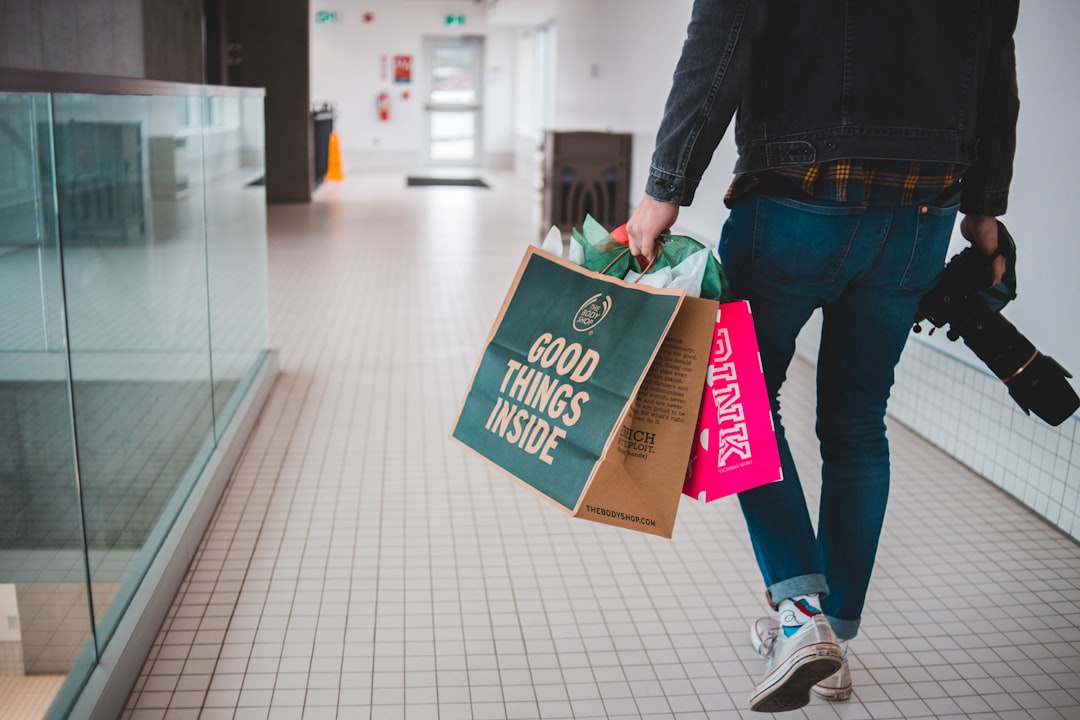
Your treasure-hunting toolkit should include a few key items. First, wear comfortable shoes. You will be doing a lot of walking, whether you are exploring a neighbourhood’s shops or wandering through a sprawling flea market. Second, bring a sturdy, reusable tote bag, or even a few. You will need it to carry your finds, and it aligns with the sustainable spirit of genbrug. Finally, as mentioned, carry some cash (Danish kroner), as it is essential for flea markets and can sometimes be useful in smaller, independent shops.
Think Beyond Fashion
While Copenhagen offers a fantastic selection of vintage clothing, do not let it be your only focus. The city’s second-hand market is a treasure trove for anyone interested in interior design. Keep an eye out for these items in particular:
- Lighting: Classic Danish lamp designs.
- Ceramics: Vases, bowls, and decorative objects.
- Glassware: Both drinking glasses and art glass.
- Textiles: Wool blankets, embroidered cushions, and vintage tablecloths.
You will also find a great selection of vinyl records, second-hand books (many in English), and old posters or prints. Broadening your search opens up a whole new world of potential discoveries.
Patience is Your Compass
Perhaps the most important tool you can have is patience. Finding true treasures is rarely a quick or efficient process. It requires a willingness to explore, to wander down side streets, and to enter shops that might not look promising from the outside. Some days you will find nothing, and on other days you will find more than you can carry. Embrace the process itself. The joy is not just in the final object you acquire, but in the journey of discovery—in the neighbourhoods you see, the people you meet, and the small, tangible pieces of Copenhagen’s history that you hold in your hands. Your patience will be your compass, guiding you toward those unique items that are waiting just for you.
If you’re interested in second-hand shopping in Copenhagen, you may also want to check out this article on the best vintage shops in Copenhagen for tourists. This article provides a comprehensive guide to some of the top vintage stores in the city, perfect for those looking to explore unique and stylish finds.
FAQs

What is second hand shopping?
Second hand shopping refers to the act of purchasing used or pre-owned items, such as clothing, furniture, and accessories, from thrift stores, vintage shops, flea markets, or online platforms.
Why is second hand shopping popular in Copenhagen?
Second hand shopping is popular in Copenhagen due to the city’s strong focus on sustainability and eco-friendly practices. Additionally, Copenhagen has a thriving vintage and thrift store scene, offering a wide variety of unique and high-quality second hand items.
Where can I find second hand shops in Copenhagen?
In Copenhagen, you can find second hand shops in popular areas such as Nørrebro, Vesterbro, and the city center. There are also several well-known vintage and thrift stores, as well as regular flea markets and online platforms for second hand shopping.
What types of items can I find when second hand shopping in Copenhagen?
When second hand shopping in Copenhagen, you can find a wide range of items including clothing, shoes, accessories, furniture, home decor, and even vintage designer pieces. The selection is diverse and caters to various styles and preferences.
Is second hand shopping in Copenhagen affordable?
Yes, second hand shopping in Copenhagen is often more affordable than purchasing new items. You can find great deals on high-quality, unique items, making it a budget-friendly option for shopping.