
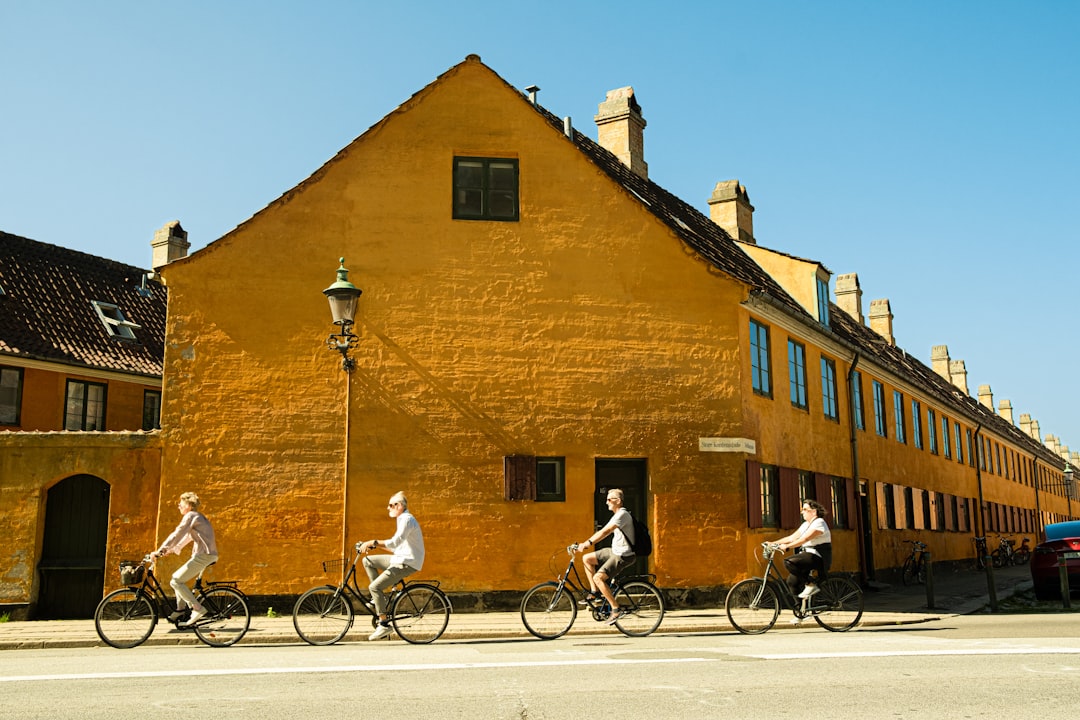
When you picture Copenhagen, you might imagine colorful buildings lining the Nyhavn canal, cyclists gliding effortlessly through the streets, and a general sense of contentment known as hygge. But woven into this city’s fabric is another, less visible but equally important thread: a deep commitment to sustainability that extends directly into its citizens’ wardrobes. This isn’t a loud, activist-driven movement that shouts from the rooftops. Instead, sustainable fashion in Copenhagen is a quiet, deliberate philosophy, built on quality, longevity, and a mindful approach to consumption. It’s about creating a style that feels as good as it looks, not just for a season, but for years to come.
This approach treats your wardrobe not as a revolving door of fleeting trends, but as a well-tended garden. Each piece is chosen with care, intended to grow with you and last, rather than being a disposable bloom that withers after a few wears. Let’s explore the soil from which this green style has grown, its core principles, and how you can cultivate a more conscious closet, inspired by the Danish capital.
The city’s reputation as a hub for sustainable fashion didn’t appear overnight. It is the result of a unique blend of cultural values, institutional support, and a long-standing design heritage that prioritizes function and durability. These elements have created fertile ground for a fashion industry that is actively questioning the status quo.
The Cultural Mindset: From Hygge to Responsibility
At its heart, Danish culture values well-being, community, and a sense of trust in society. This translates into a preference for things that are built to last and contribute to a better long-term future. The concept of hygge—finding comfort and contentment in simple things—steers people away from the frantic pace of fast fashion. Why chase a dozen cheap, fleeting trends when you can find deep satisfaction in a single, perfectly crafted wool sweater that will keep you warm for a decade? This mindset fosters an appreciation for quality over quantity, laying the groundwork for a more sustainable approach to everything, including what you wear. It’s a quiet rejection of the idea that more is always better.
Government and Institutional Support
Individual choices are powerful, but systemic change requires a larger framework. In Copenhagen, the fashion industry benefits from strong institutional backing. Copenhagen Fashion Week has become a global leader by implementing mandatory sustainability requirements for all participating brands. To even be on the schedule, designers must meet a set of 18 minimum standards, covering areas like strategic direction, design choices, smart material sourcing, and working conditions. Furthermore, the city is home to the Global Fashion Agenda, a non-profit organization that spearheads discussions and initiatives aimed at making the entire global fashion industry more sustainable. This top-down support sends a clear message: sustainability is not an optional add-on; it is the price of entry.
Design Heritage: The Legacy of Longevity
Think of classic Danish design—an Arne Jacobsen chair or a Poul Henningsen lamp. These items are celebrated for their clean lines, functional purpose, and, most importantly, their timelessness. They are investments, passed down through generations, not discarded when a new style emerges. This exact philosophy is being applied to clothing. Copenhagen-based designers often draw from this heritage, creating pieces that are minimalist, highly functional, and built to transcend seasons. The goal is to design a garment so well that it defies trends, becoming a permanent and cherished part of your life story rather than a forgotten chapter.
Key Principles of Danish Sustainable Style
So, what does this philosophy look like in practice, hanging in a closet or worn on the streets of the Nørrebro district? It’s a tangible style defined by conscious material choices, a belief in a timeless wardrobe, and an embrace of circular systems that extend a garment’s life far beyond a single owner.
Material Matters: The Fabric of Change
The foundation of any sustainable garment is the material it’s made from. Copenhagen’s designers place a heavy emphasis on fabrics that have a lower environmental impact. You will find a strong preference for natural, organic, and recycled fibers. These choices are not accidental; they are deliberate steps to reduce the industry’s footprint.
Commonly used materials include organic cotton, which is grown without harmful pesticides; Tencel™ Lyocell, a fiber derived from sustainably sourced wood pulp in a closed-loop system that recycles water and solvents; and recycled polyester, often made from plastic bottles, which diverts waste from landfills. High-quality, ethically sourced wool and innovative materials like llama fiber, known for its durability and natural softness, are also central to many collections. Choosing these materials is the first and most critical step in weaving sustainability into the very DNA of a garment.
Instead, you’ll see people dressed in well-cut basics, classic silhouettes, and investment pieces like a perfectly tailored trench coat or a durable pair of boots. This is the “capsule wardrobe” concept put into practice on a city-wide scale. The focus is on building a versatile collection of high-quality items that can be mixed and matched endlessly. This approach challenges the very engine of fast fashion, which relies on a constant churn of micro-trends. A timeless wardrobe is an act of quiet rebellion. It says, “I am not a consumer of disposable trends; I am a curator of personal style.”
A Circular Approach: More Than Just Recycling
True sustainability goes beyond just buying a “green” product. It’s about rethinking our relationship with ownership. In Copenhagen, the circular economy is gaining serious traction. This means keeping clothes in use for as long as possible through various means. Second-hand and vintage shopping are not just for the budget-conscious; they are a chic and mainstream way to acquire unique, high-quality pieces with a history. Furthermore, clothing rental services are emerging, allowing you to wear a special-occasion outfit without the commitment of buying it. Repair is also a key part of the culture. Instead of tossing a sweater with a small hole, the instinct is to mend it, extending its life and adding character.
Spotlight on the Brands Leading the Charge
While the sustainable mindset is widespread, a number of specific brands have become ambassadors for Copenhagen’s green style, each contributing to the movement in its own way. They range from global names that are integrating sustainability into their large-scale operations to smaller purists for whom it is their founding principle.
The Trailblazers: Ganni and Stine Goya
Brands like Ganni and Stine Goya have played a huge role in making sustainable fashion desirable and internationally recognized. They are not perfect, and they are transparent about their journey.
Ganni, for example, publishes annual responsibility reports that detail its progress and challenges, setting a high bar for transparency. The brand has successfully merged vibrant, trend-aware design with an increasing use of certified, recycled, and organic materials, proving that sustainable fashion can be playful and exciting. Stine Goya is known for its artistic prints and bold colors, and has been progressively integrating more sustainable fabrics like recycled polyester and Tencel into its expressive collections.
These brands act as a bridge, bringing conscious fashion to a wider, global audience.
The Purists: Brands Built on Sustainability
Dig a little deeper and you’ll find a host of brands where sustainability is not just a department, but the entire foundation. Aiayu is a prime example, building its entire ethos around materials, craftsmanship, and responsibility. The brand is famous for its use of Bolivian llama wool, focusing on natural fibers, classic designs, and a commitment to the welfare of its workers.
Skall Studio champions a minimalist, effortless style with a strict focus on natural materials like organic cotton, linen, and Danish wool. For them, sustainability is about purity and simplicity. Then you have brands like Organic Basics, which, as the name suggests, focuses on creating long-lasting underwear, activewear, and t-shirts from eco-friendly materials in a transparent supply chain.
The Innovators: Tech and New Models
The scene is also home to innovators looking to push the boundaries of what sustainable fashion can be.
This includes exploring new business models and material technologies. Some startups are focused on creating advanced digital platforms for clothing rental and resale, making the circular economy more convenient and accessible. Others are investing in research and development for next-generation materials that could one day replace conventional fabrics entirely.
These forward-thinking efforts ensure that Copenhagen’s sustainable fashion scene is not static but constantly evolving, looking for the next breakthrough that will make style even kinder to the planet.
The Consumer’s Role: How to Shop Like a Copenhagener
| Shopping Habits | Copenhageners |
|---|---|
| Frequency of shopping | Most Copenhageners shop for groceries a few times a week to ensure freshness |
| Preference for local produce | Copenhageners prioritize buying locally sourced and organic produce |
| Use of reusable bags | Many Copenhageners bring their own reusable bags when shopping to reduce plastic waste |
| Emphasis on quality over quantity | Copenhageners value high-quality products and are willing to pay more for them |
The principles that guide Copenhagen’s designers and institutions can easily be adopted into your own life, no matter where you live. Shifting your mindset is the most important step, and it often begins with a few simple, practical changes in how you shop and care for your clothes.
Quality Over Quantity: The Cost-per-Wear Philosophy
One of the most powerful tools you have is a simple calculation: cost-per-wear. A cheap, €20 t-shirt that you wear only four times before it loses its shape costs you €5 per wear. A high-quality, sustainably made €100 t-shirt that you wear for years, perhaps 100 times, costs you only €1 per wear. The initial investment is higher, but the long-term value is far greater, both for your wallet and for the environment. Resisting the allure of a cheap thrill in favor of a long-term companion piece is the cornerstone of the Copenhagen approach. Fast fashion is like a sugar rush—brief and ultimately unsatisfying. A well-made garment is a nourishing meal.
Embracing Second-Hand and Vintage
Before buying new, even from a sustainable brand, consider exploring the world of second-hand.
This is the most sustainable option of all, as it requires no new resources to be produced. Thrifting allows you to develop a truly personal style, finding one-of-a-kind pieces that no one else will have. It extends the life of clothing and keeps it out of landfills, turning one person’s past into your stylish future.
Caring for Your Clothes: The Art of Maintenance
Your responsibility doesn’t end when you purchase an item. How you care for your clothes has a massive impact on their lifespan. Simple habits can make a huge difference. Wash your clothes less often (especially items like jeans and sweaters), use cold water to save energy and be gentler on fibers, and always air dry when possible. Learn basic mending skills, like sewing on a button or fixing a small seam. Properly storing your garments—folding sweaters instead of hanging them, for instance—can also prevent stretching and damage. Treating your clothes with respect is the final, crucial step in the sustainable fashion loop.
Challenges and the Road Ahead
Despite its progress, Copenhagen’s sustainable fashion scene is not a perfect utopia. It faces genuine challenges, and the journey toward a truly green industry is ongoing. Acknowledging these hurdles is essential for understanding the full picture.
The Price of Progress: Accessibility and Cost
The most significant barrier remains the price. Sustainably and ethically produced clothing costs more to make. Paying workers a living wage, using certified organic materials, and investing in cleaner production processes all come at a premium. This can make sustainable fashion feel exclusive and inaccessible to many people. While the cost-per-wear argument holds true, the upfront investment can be prohibitive. The challenge for brands is to find ways to make their products more accessible without compromising their values, a difficult balance to strike.
Greenwashing: Navigating the Murky Waters
As sustainability becomes more popular, so does “greenwashing”—the practice of brands making misleading claims about their environmental credentials. You might see a clothing line marketed as “eco-conscious” simply because it contains 5% recycled polyester, while the other 95% and the production process remain highly damaging. This green fog can make it difficult for you, the consumer, to make genuinely informed choices. The best defense is to look for specifics. Seek out recognized certifications (like GOTS for organic textiles or Fair Trade), demand transparency from brands, and be skeptical of vague, unsupported claims like “eco-friendly” or “green.”
Beyond the Label: The Future of Copenhagen Style
The road ahead for Copenhagen’s fashion industry involves digging deeper. The focus is already shifting from just using better materials to fully embracing circular business models like rental and large-scale resale. There’s also a growing awareness that sustainability must be holistic, encompassing social responsibility just as much as environmental impact. This means ensuring not just that a fabric is organic, but that the person who harvested the cotton and sewed the garment was treated with dignity and paid a fair wage. The future of Copenhagen’s green style lies in continuing to innovate, demanding greater transparency, and proving that fashion can be a force for positive change, from the first sketch to the final stitch.
If you’re interested in sustainable fashion in Copenhagen, you may want to check out Vintage Copenhagen’s article on the “Top 10 Things to Do Near Vintage Copenhagen.” This article provides insights into the local vintage scene and offers recommendations for activities to complement your sustainable fashion shopping experience. You can read more about it here.
FAQs
What is sustainable fashion?
Sustainable fashion refers to clothing and accessories that are designed, produced, and distributed in ways that minimize environmental impact, conserve natural resources, and support social responsibility.
What is Copenhagen’s role in sustainable fashion?
Copenhagen has emerged as a global leader in sustainable fashion, with a strong focus on ethical production, eco-friendly materials, and innovative design. The city is home to numerous sustainable fashion brands, initiatives, and events.
What are some sustainable fashion initiatives in Copenhagen?
Copenhagen Fashion Summit, the world’s largest conference on sustainability in fashion, is held in Copenhagen. The city also hosts the annual Copenhagen Fashion Week, which showcases sustainable and ethical fashion brands.
What are some sustainable fashion brands in Copenhagen?
Copenhagen is home to a number of sustainable fashion brands, including Ganni, By Malene Birger, and Samsøe & Samsøe, which are known for their commitment to ethical and eco-friendly practices.
How does Copenhagen promote sustainable fashion?
Copenhagen promotes sustainable fashion through various initiatives, such as the Global Fashion Agenda, a non-profit organization that works to drive positive change within the fashion industry by engaging with stakeholders and fostering collaboration. The city also supports sustainable fashion through policy measures and public awareness campaigns.